
Axis & Allies
How China could win the war in Iran without firing a shot.

“In poker, you want to play the weaker guys. In chess, it’s the opposite.” – Hikaru Nakamura
We begin with two objective facts. First, no country should be more vulnerable to an oil shock than China. To a rough approximation, China consumes 16 million barrels per day (bpd) of oil while producing only 4, relying on imports to close the gap. Despite Herculean efforts spanning decades, the country has yet to crack the technical challenges associated with exploiting its vast shale oil resources, nor have its ultradeep drilling efforts borne significant fruit. According to the Statistical Review of World Energy, China produced only as much oil in 2024 as it did in 2014, while consumption grew nearly 50% over the same period.
The second undeniable axiom is that China has done its level best to assist Iran in the current war. The two nations signed a 25-year comprehensive strategic partnership agreement in 2021, and open-source intelligence points to extensive collaboration between them as Iran resists the combined onslaught of the US and Israeli militaries. Several recent articles lay bare how China is providing dual-use industrial goods, satellite intelligence, and other technologies that enhance Iran’s missile and drone performance and air defenses. It is also providing diplomatic cover at the United Nations and undoubtedly pumping Iran with all manner of critical goods to help its population deal with the hardships of war.
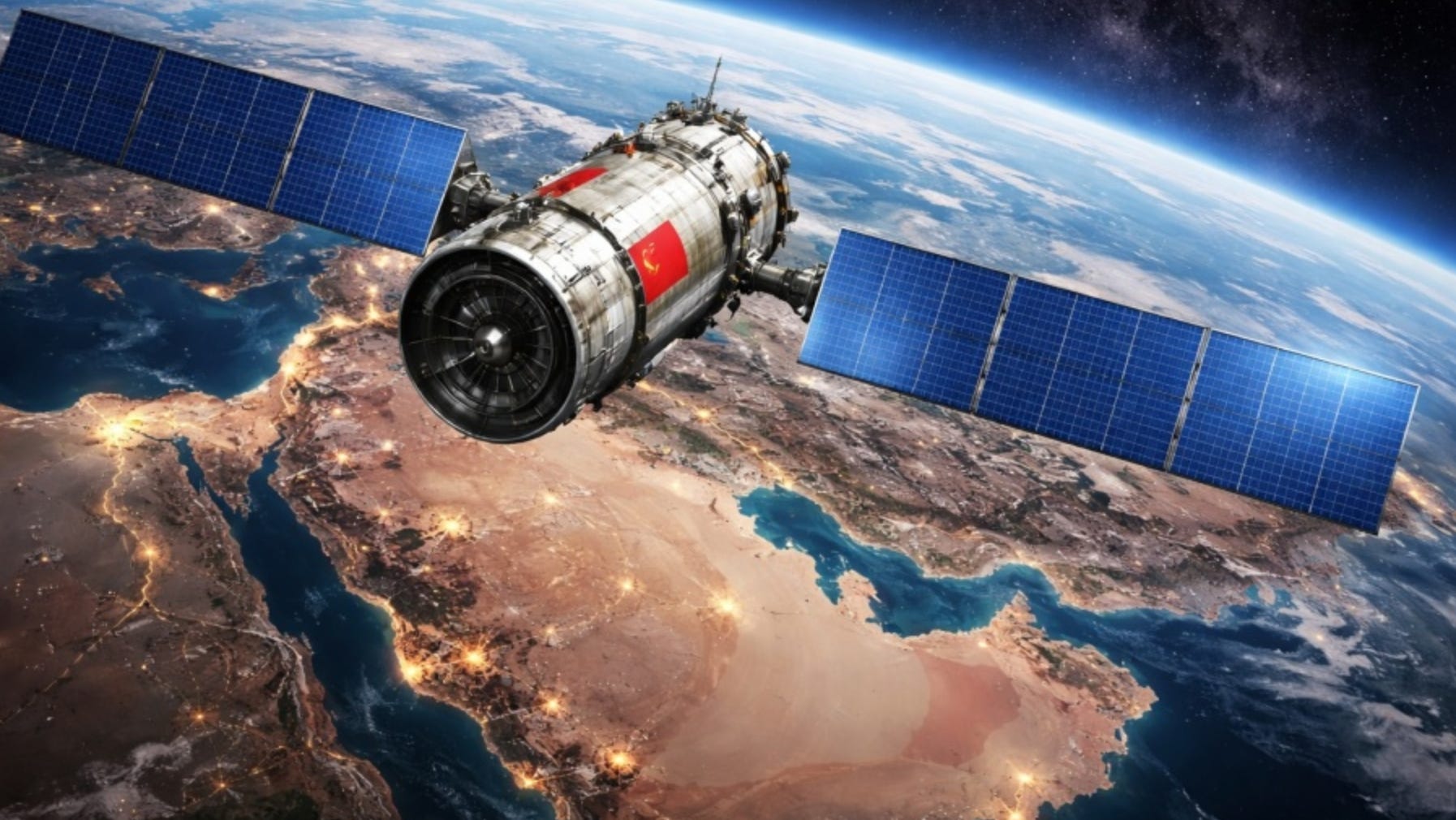
These two truisms make the fact that Iran has made closing the Strait of Hormuz a central element of its war strategy a bit of an enigma. Yes, the maneuver is undoubtedly the most effective card Iran has in hand, and playing it has exacted huge pain on global economic interests and generated disproportionate leverage with a clearly frustrated US President Trump; however, it also puts serious pressure on China, dependent as it is on the flow of oil from the Middle East.
Effectively, China has decided that it is in China’s interest to help Iran hurt China.
Pulling on this string over the past several weeks has led us to a new mental model to explain the war, pointing to a post-conflict geopolitical realignment that will profoundly reshape global energy markets. Let’s explore the confines of it and see where that leads.