
Blue Chips
Will the highest-pedigreed off-grid gas-to-data project in the world get built?

“I think for a lot of amateurs, their alignment is always out.” – Karrie Webb
Although it has taken a little longer than we might have anticipated, many of the data-center trends we foresaw in a series of articles published nearly two years ago are beginning to manifest. As the artificial intelligence (AI) boom was spooling up, we posited that the future would be characterized by giant buildings into which natural gas entered on one side and data left the other, both on an enormous scale. Given the speed and scope of what would be needed, much of this activity would invariably have to occur in isolation from the broader electricity grids that form the backbone of modern economies, or “behind the meter” in industry parlance.
Despite the burgeoning excitement about an AI-driven nuclear power renaissance, we cautioned in “Bridge Burning” that “there is a significant timing mismatch between the speed with which nuclear plants can be brought online for AI and the urgency of the industry’s electricity demand.” We further noted that since natural gas is “the cleanest-burning hydrocarbon capable of producing a steady supply of baseload electricity,” it is “inherently well-suited to meet the application’s needs.” We then speculated about how all this might impact future price action.
In “Irreconcilable Differences,” published a few weeks later, we emphasized why dedicated power plants built behind the meter were practically unavoidable. We further predicted that an “immediate consequence of such developments would be a surge in demand for gas turbines and associated power equipment, products already in short supply,” and producers of natural gas in the Permian Basin would find themselves on “the winning side of the ledger” because spot prices for the fuel persistently traded for negative prices.
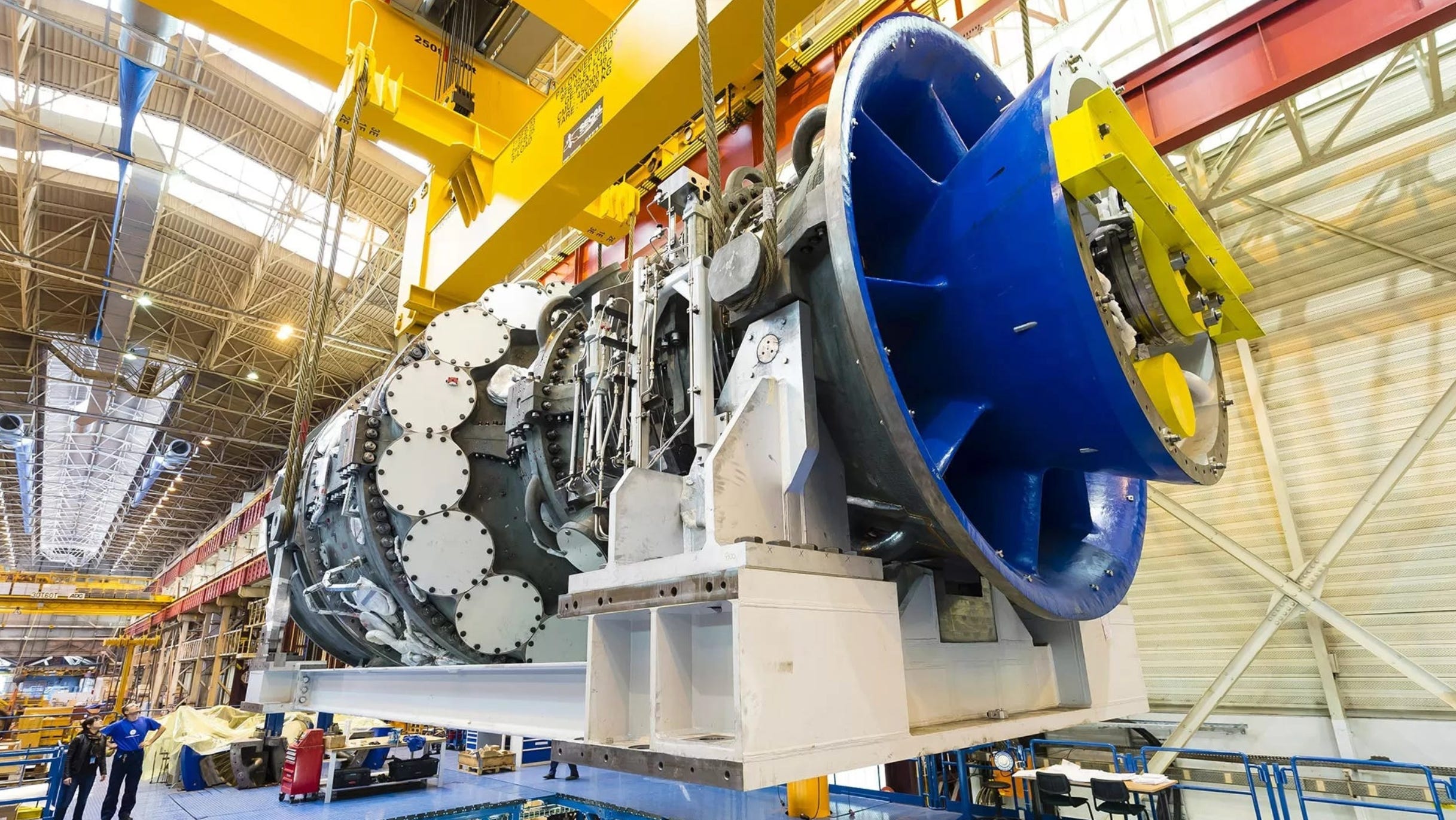
Despite the inherent logic behind these predictions and the growing excitement among a cross-section of industry participants, progress toward full realization has been slow. Because of a variety of environmental concerns, Texas and federal regulators have tightened rules around big behind-the-meter projects. Hype notwithstanding, none of the big-ticket off-grid projects has reached final investment decision (FID) status, and Permian natural gas has spent much of 2026 in negative spot-price territory.
Among the parade of gas-to-data projects making their way through various stages of development, one stands out for its sheer size, the quality of the corporate giants behind it, and the likelihood that it ultimately gets built. Slated to be twice the size of the much-hyped Project Stargate in Abilene, Texas, and only months away from final investment decision (FID), Project Kilby looks likely to disrupt Permian oil and gas flows in meaningful ways. Let’s go to the heart of the basin and quantify the impact.