

“Predicting rain doesn’t count. Building arks does.” – Warren Buffett
At what point does the forced introduction of intermittent wind and solar power onto an existing grid begin to break things? A simple but highly effective rule of thumb is to inspect the proportion of highly dispatchable power capacity contributed to that grid by natural gas and impoundment hydroelectricity. Once intermittency swamps dispatchability, the pain can become overwhelming.
Why is this? The “free” power of wind and solar is unpredictable, suddenly showing up en masse or disappearing with equal abruptness. The dispatchability (i.e., ease of tuning up or down on demand) of natural gas and hydro allows grid operators to rapidly “load match,” and thus keep the grid running without interruption. Saddle the operators with more intermittency than the dispatchable sources can handle, and what you’re really betting on is hope.
Armed with this baseload knowledge, news of California’s shifting energy mix, for example, lands a little differently:
“California’s natural gas generation has continued a several-year decline in 2025, while the state’s utility-scale solar keeps rising, according to a new report from the Energy Information Administration.
Natural gas is still the dominant energy source in the state overall, but solar is starting to close the gap. For the first eight months of this year, utility-scale solar generation totaled 40.3 billion kilowatt hours in California, and natural gas accounted for 45.5 BkWh.”
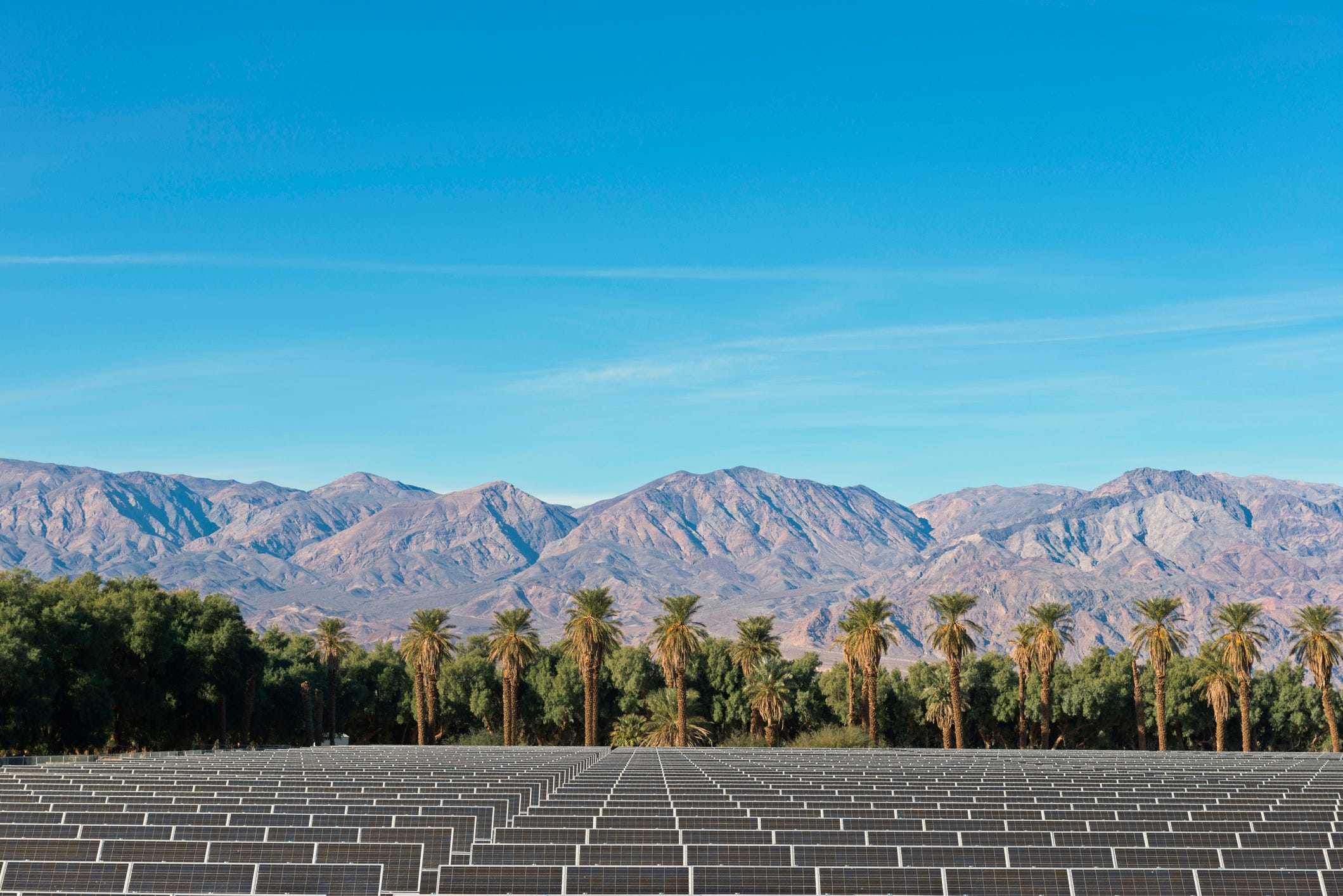
Grids with a high proportion of hydro become juicy targets for the implementation of a state-mandated green utopia: lots of wind and solar can be piled on with little in the way of immediate negative consequences, all while the anchoring hydro power emits minimal marginal carbon to boot.
Stretching things further, hydro-heavy grids can even be counted on to help their virtue-signaling neighbors in a pinch, with dams that act like giant batteries. This is the seductive “solution” that Norway and Sweden offer the European Union (EU).
As with most things that look great on paper, reality has a way of highlighting the fine print at just the wrong time, and the inconvenient footnote that hydropower is itself an intermittent source is often overlooked until it really matters. Wet spells and droughts may be measured in months or years rather than in hours or days, but this does not make such volatility any less impactful. If anything, an extended period of copious precipitation often lulls planners into minimizing the risks associated with inevitable water scarcity.
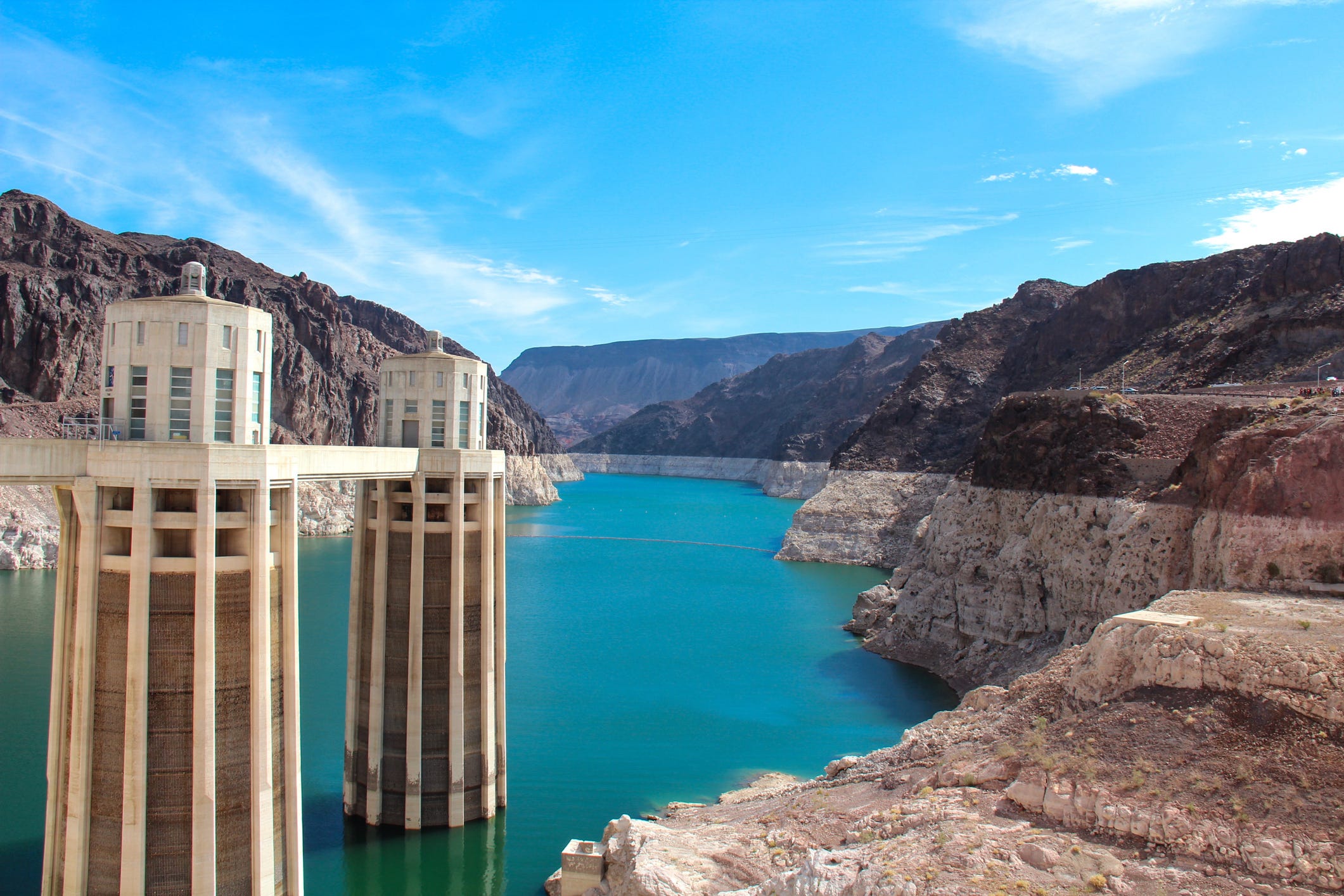
Unfortunately for Europe, reality is bringing forth the fine print of this arrangement at just the wrong time. With the war in the Middle East simmering seemingly without end, and Qatari liquefied natural gas (LNG) facilities still hopelessly offline on the wrong side of the Strait of Hormuz, water levels across the Old Continent have fallen to lows not seen in years. A one-two punch of lost dispatchability is about to befall the EU’s shared power grid, and this winter’s inevitable Dunkelflaute—periods of simultaneously low wind and solar output—is likely to emerge as a point of crisis. Incredibly, the developing situation appears to lack requisite urgency. A perfect storm is brewing, so let’s do some storm watching.