
Crude Analysis
The traditional ways of judging oil markets have become obsolete.

“If you change the way you look at things, the things you look at change.” – Wayne Dyer
When the Lucas Geyser exploded on Spindletop Hill into the Texas sky in January of 1901, a stampede of oil exploration swiftly followed. The discovery of this unthinkably prolific oil well validated Anthony Lucas’ “salt dome” theory, which held that rising salt domes along the Gulf Coast deform and tilt the surrounding strata, creating structural traps where large accumulations of oil could be found.
Some 30 miles east of Houston lay Barbers Hill, then an unincorporated settlement built around the Barber family homestead. It was soon discovered that the property sat atop a large salt dome, and the first oil well was spudded there in 1902. Although oil production never came close to matching Spindletop’s, geologists there would eventually map one of the largest salt dome formations in the US. The underground superstructure at Barbers Hill comprises more than 100 caverns, some of which are nearly half a mile tall.
Scientists and engineers discovered that salt domes made for excellent hydrocarbon storage vessels. The domes could be “solution mined,” with salt selectively dissolved using freshwater and shaped with high precision. The amount of hydrocarbons stored could be regulated by injecting and withdrawing brine as needed. The oil in the US Strategic Petroleum Reserve is stored in this way today, as are huge volumes of commercial oil and gas inventories across the country.
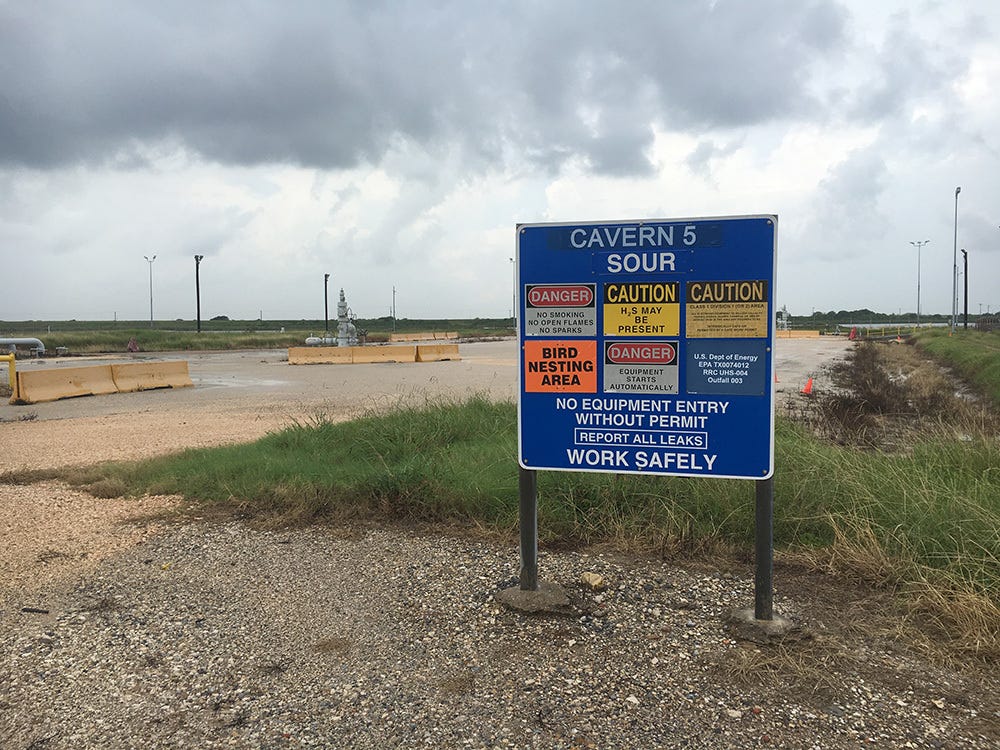
Barbers Hill is now encompassed by the City of Mont Belvieu, which was incorporated in 1966 and is probably the most important energy epicenter few outside the industry have ever heard of. The shale revolution has transformed Mont Belvieu into the natural gas liquids (NGLs) capital of the world, with its salt domes storing as many as 250 million barrels of the stuff. By way of comparison, capacity at the Cushing crude oil storage facility in Oklahoma—the designated delivery location for the West Texas Intermediate (WTI) Light Sweet Crude futures contracts—is just over 90 million barrels.
Mont Belvieu is far more than an elaborate storage site. Over the past two decades, the area has seen an astronomical buildout in fractionation facilities, which can be thought of as small refineries that separate NGLs into their purity products—ethane, propane, butanes, and natural gasoline. Recent estimates peg total fractionation capacity at Mont Belvieu at 4.5 million barrels per day (bpd) and growing. The sheer scale of this operation is made clear when one considers that an average of 14 million bpd of NGLs were produced globally in 2024.
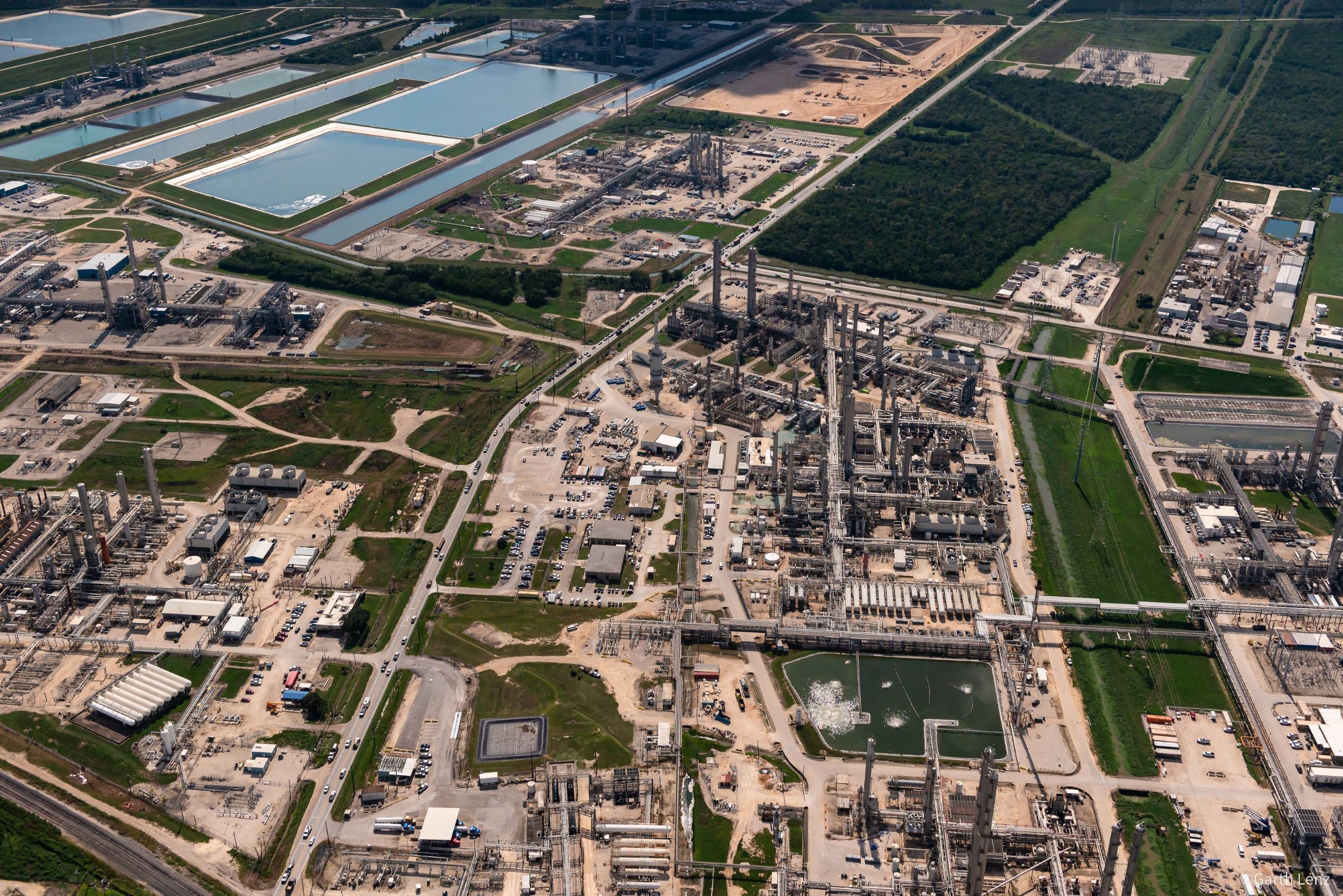
Once separated, NGL purity products can be moved directly to end users, exported to international markets via the Houston Ship Channel or other Gulf Coast export docks, or stored for future consumption as market forces dictate. Unsurprisingly, Mont Belvieu has emerged as a benchmark hub for pricing these products and is widely considered the deepest and most liquid NGL trading market in the world.
We tell the Mont Belvieu story as just one of many seismic shifts that have altered oil markets since the onset of the shale revolution. That is a far easier thing to say than to internalize, and we still observe many analysts we respect using outdated market indicators, treating crude oil as if it were an island all its own, while missing the structural changes that have materialized.
For this, our last article of 2025, we thought it useful to review four of the most significant industry concepts that are regularly overlooked and suggest how you can avoid the same mistakes. We have covered several of these concepts in isolation in prior articles and Pro Tier presentations, but let’s weave them together in one missive.