
Genetically Modified Weeds
A disconcerting look at the global herbicide arms race.

“Science grows like a weed every year.” – Kary Mullis
In 1971, scientists at the US chemical company Monsanto patented the use of a compound called glyphosate as a broad-spectrum herbicide. In early trials, glyphosate showed striking efficacy against tough perennials and a wide range of broadleaf and grass weeds. The effect was pronounced even at moderate doses, leading the company to accelerate its commercial development. It launched glyphosate formulations under the Roundup™ brand in 1974. The weed killer was so powerful and non-selective that early use was largely limited to non-crop and directed-spray applications. Applying it too widely would imperil the underlying cash crops.
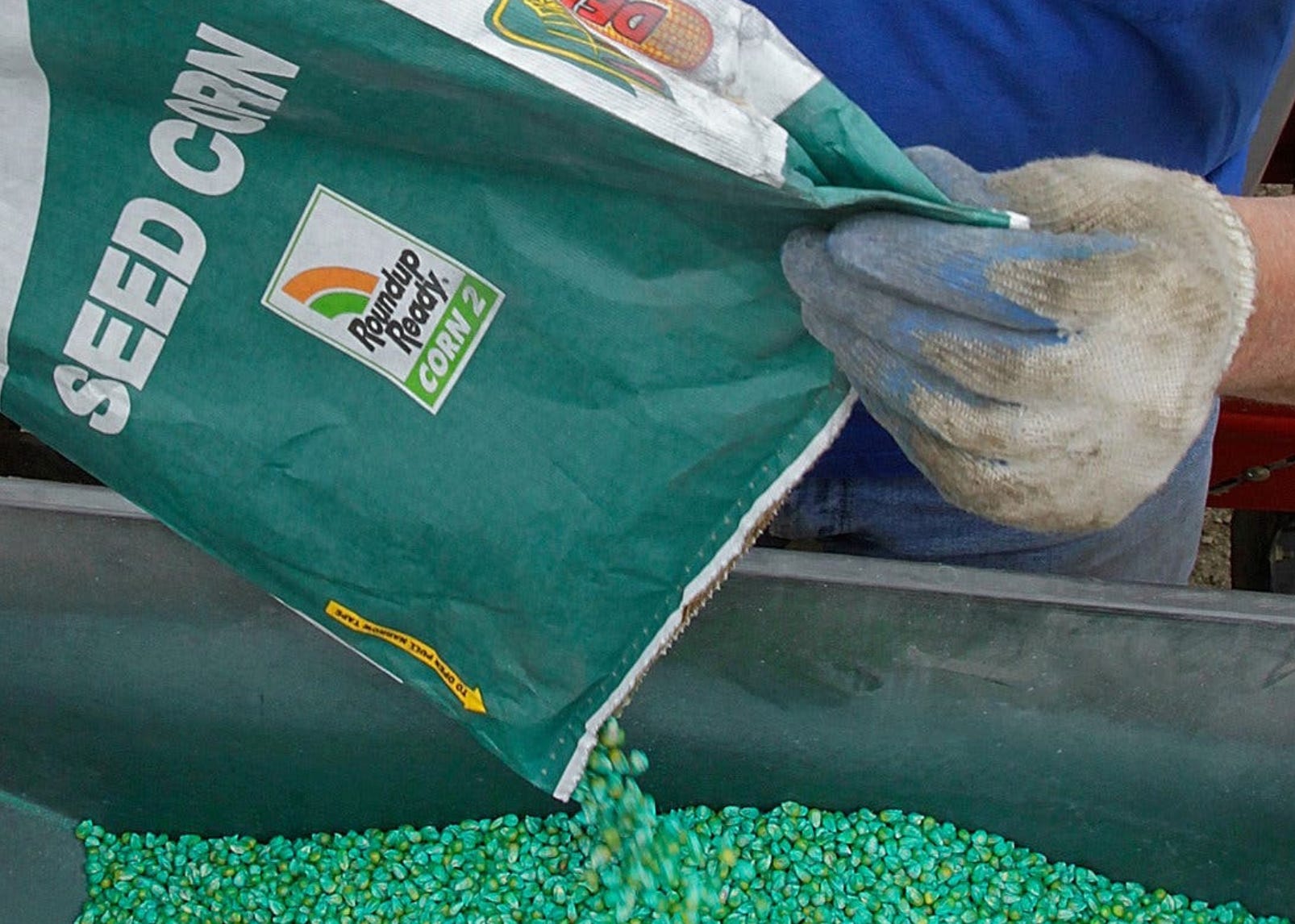
In the mid-1990s, Monsanto launched a series of Roundup Ready™ genetically modified (GMO) seeds tolerant to the compound—first for soybeans, then later for cotton, canola, and corn. This invention practically revolutionized agribusiness overnight, as it allowed farmers to spray a single, non-selective herbicide over the top of the crop, leading to vastly simpler—and, at least initially, cheaper—weed control. The technology also allowed Monsanto to double-dip on profits, selling both the seed and the herbicide at healthy margins. In the early 2000s, the company’s stock began a torrid run, increasing more than fivefold between 2003 and 2008.
By 2014, more than 800,000 tonnes of glyphosate were used annually on farms around the world. But soon after, things took a sour turn for the company as two major issues arose. First, the long-whispered-about cancer risks associated with glyphosate blew wide open in March of 2015 when the World Health Organization’s International Agency for Research on Cancer classified it as “probably carcinogenic to humans.” This triggered an avalanche of lawsuits with cases that clog the courts to this day. Second, overuse of glyphosate led to a proliferation of weeds resistant to the herbicide, an ominous development with significant global ramifications.
The first problem was solved in 2016, when the German chemical giant Bayer chose to wildly overpay for Monsanto and the right to be sued into oblivion, an acquisition that continues to baffle many in the industry. Monsanto’s shareholders and pensioners were undoubtedly thrilled with the bid, as odds were high the company would have eventually sought bankruptcy protection had it remained independent.
Resistance has proved more vexing. Competitors initially responded by licensing the company’s glyphosate-tolerant trait while racing to protect their seed businesses and chemistry portfolios. At the same time, these firms invested heavily in parallel biotech pipelines, launching their own GMO seed-chemical recipes, often in combination with glyphosate but also using other actives. This frenzy normalized over-the-top postemergence spraying in herbicide-tolerant systems, worsening resistance by making it easy to lean on a few actives, year after year, over huge acreages.
With the US, Canada, Brazil, and Argentina among the heaviest users of GMO seeds and enjoying record or near-record yields in most of their major crops, it might be easy to assume the resistance issue is a war that crop scientists are comfortably winning. However, the recent emergence of a truly scary superweed—initially in the US and Mexico, but now spreading around the world—is causing quiet alarm in the industry. Will critics of GMO technology ultimately be proven right? Is there any way to escape these trends? Let’s hop on a tractor and find out.