

“The beginning of wisdom is the definition of terms.” – Socrates
What does it mean to win a war? The question is a particularly tricky one because it seems the answer should be obvious, and most people assume everyone agrees what winning looks like.
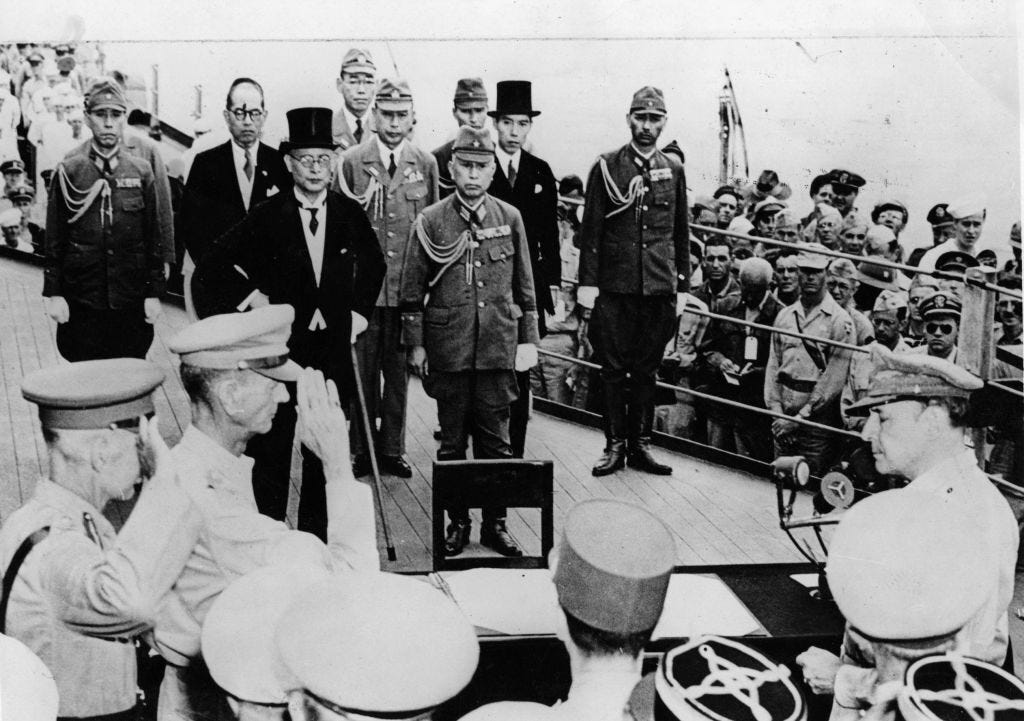
Conventional thinking dictates that a war is won when one side capitulates. This usually happens when the losing side’s capacity to fight is exhausted or when physical territory, like a capital city, is occupied. It was clear when the European and Pacific theaters of World War II were won by the Allies because representatives of Germany, and then Japan, signed agreements of surrender.
Assessing how a war is going while it is in progress is a trickier thing to ascertain, particularly in modern times. First, there is the blinding gloss of propaganda from both sides, which makes separating fact from fiction incredibly challenging—especially now, with the twin proliferation of social media algorithms and artificial intelligence (AI) deepfakes. Second, there is often a visceral personal bias at play that calls upon our instincts of survival and patriotism. This is nearly impossible to put to one side, understandably so.
For our purposes, a war is won when one side inflicts more pain than the other can tolerate, and a side is winning when it demonstrates the ability to do so. This immediately invites four questions, written in the first person for clarity: How much pain am I inflicting on the enemy? How much pain can my enemy tolerate? How much pain is my enemy inflicting on me? How much pain can I tolerate?
Having carefully defined the terms, let’s apply this framework to the current war with Iran.