
Island Hopping
Does the path to China’s control over Taipei run through Havana?

“Anyone can hold the helm when the sea is calm.” – Publilius Syrus
Panic buying during shortages is a classic example of human psychology driving herd mentality. Fear of going without, mixed with the belief that shelves might not be restocked quickly, makes it feel safer to overbuy than risk being caught short. The sight of empty shelves and other shoppers filling their carts to the brim with a sense of urgency can quickly trigger a collective stampede. The speed with which ample inventory goes bare often shocks management, both within the stores themselves and among those in government whose job it is to keep the calm.
In what must be one of the most predictable crises of the modern era, the leaders of Australia are currently grappling with an outbreak of preemption in the aftermath of the war in Iran:
“Prime Minister Anthony Albanese on Thursday urged Australians to avoid panic buying of petrol and diesel, which he said had led to shortages in some rural regions, and stressed the nation’s fuel supply levels remained stable. Australia is dependent on imports for about 90% of its fuel needs, and fear of supply disruptions due to the escalating war in the Middle East has led to a doubling of fuel demand in some regions resulting in localised shortages.
Albanese said the federal government had already taken steps to ensure an uninterrupted supply of fuel into the country.
‘Our fuel supply is currently secure. However, I want us to be over-prepared,’ Albanese told reporters.”
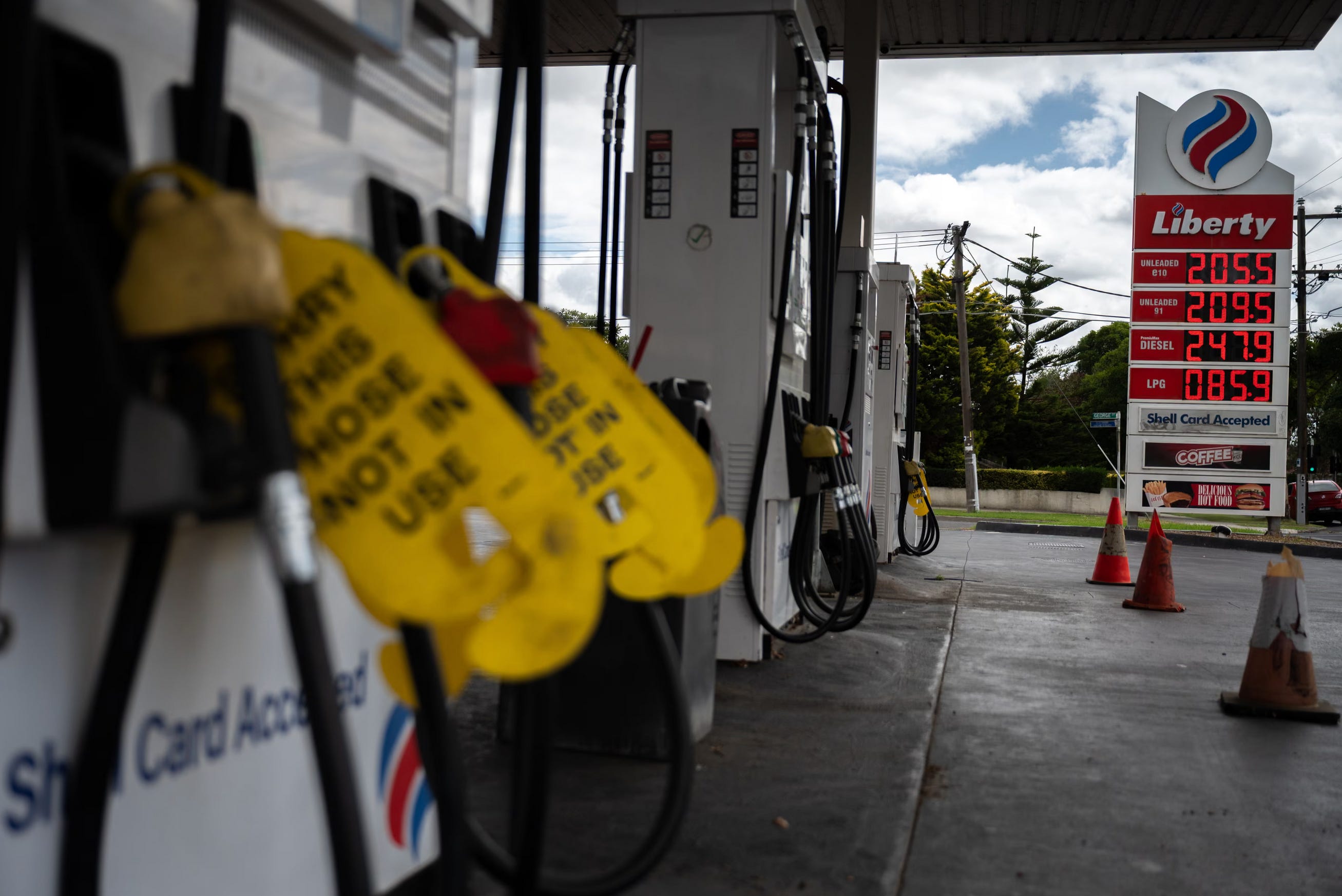
The war in Iran—and the disruption of global crude and refined product supplies it has created—is simultaneously exposing how critical hydrocarbon fuels remain to the operation of all modern economies and how leaders of many important countries chose to deny that axiom. Through a mix of climate ideology and ignorance of basic physics, so-called progressives eschewed domestic oil and gas production and refused to stock sufficient inventories for times of geopolitical stress, as though not liking something diminishes its essentiality. Their populations are now set to suffer.
As the cases of Australia and its similarly unprepared neighbor, New Zealand, clearly demonstrate, island nations are particularly vulnerable to global energy shocks, dependent as they are on a steady procession of tanker ships to keep the pumps from running dry. Although islands have historically been more difficult to attack, they are far easier to embargo, and starving a garrison of supplies is typically a certain path to victory for the patient antagonist. The US famously demonstrated both sides of this strategy against Japan in World War II.
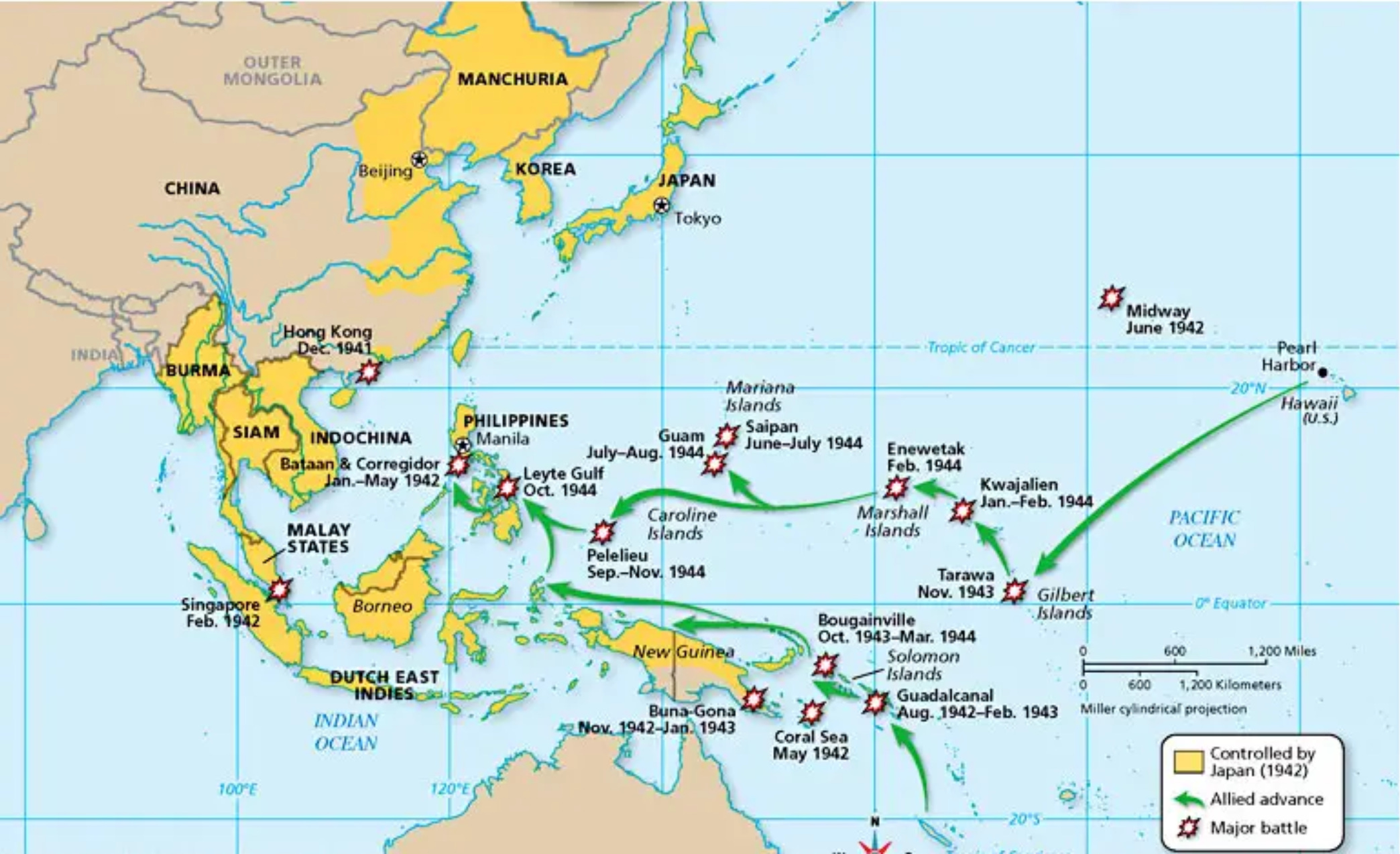
Almost lost in the headline-grabbing events in the Middle East are two separate and developing island standoffs that are not getting the attention they deserve on an individual basis, and we believe nearly everybody is missing how directly related they are. In our view, Russian President Vladimir Putin and Chinese leader Xi Jinping are setting a trap for US President Donald Trump, one that he looks all but certain to walk right into. If we are correct, World War III is about to take on a wholly more precarious dimension. Let’s connect the dots weeks before they might dominate international affairs.