

“It gets late early out there.” – Yogi Berra
The global distribution of engines that power the economy was no accident. It evolved in a way that made maximum use of the prototypical barrel of oil that existed when that energy input came of age. The number of cars, planes, and heavy-duty vehicles currently running on gasoline, jet fuel, and diesel was a natural consequence of the relative concentration of molecules that comprise those cuts, paired with the overarching need to minimize waste at refineries. Had the molecular mix of standard crude barrels been materially different back then, so too would society’s contemporary inventory of internal-combustion engines.

The ability of chemists to flexibilize refineries and of arbitrageurs to close supply-demand mismatches with new engines notwithstanding, global events can temporarily overwhelm such buffers. When it comes to diesel, the twin wars in Ukraine and Iran make this one of those times:
“The crude oil market shows traders’ expectations of [ample] near-term supply, but the diesel markets are flashing the very real physical tightness of the petroleum product whose consumption has yet to rise this year and whose availability and prices drive economies and inflation.
The diesel crack spread in the United States hit triple digits this week, for the first time ever. The premium over crude prices jumped to as high as $102 per barrel on Monday, before easing slightly to about $100 a barrel on Tuesday.”
Shortages of diesel are particularly threatening to the global economy. Because of the higher torque that diesel engines produce, their main applications dominate important aspects of the global supply chain, including how food is harvested and how most goods are transported across long distances. Price surges and fuel stockouts invariably lead to product shortages and bursts of inflation, outcomes that are never desirable but are particularly threatening given the current fiscal crisis embroiling Western governments.
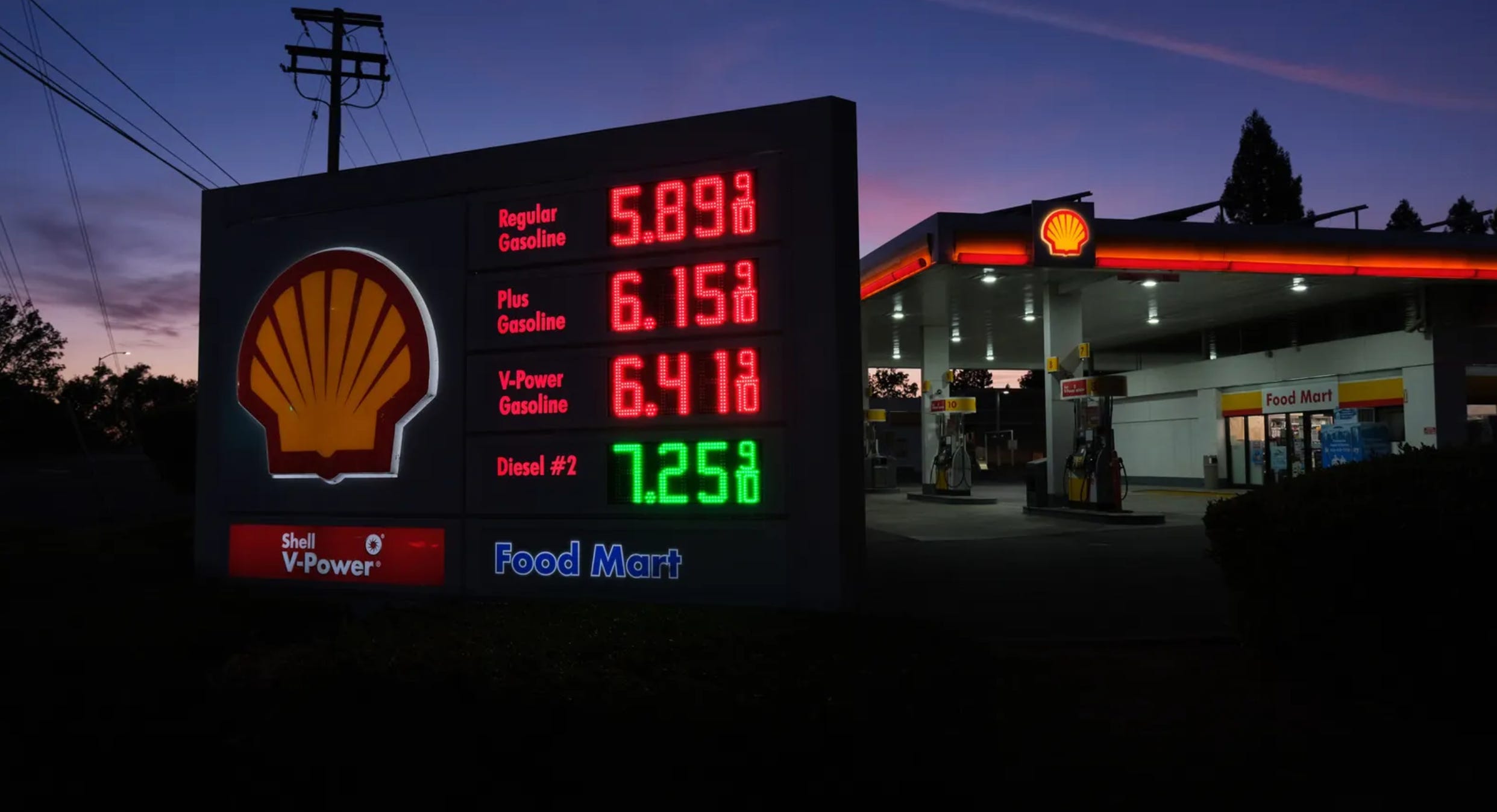
Predictably, the intersection of complexity and consequence that arises from major disruptions in energy markets invariably generates unhelpful amounts of hyperbole, wishcasting, and blamestorming, making the real root causes of the problem—and thus the associated cures—more challenging for most to recognize. To properly frame what’s coming and get ahead of the likely government and market responses, a level-headed inspection of actual data and the efficacy of potential solutions is required.