

“In politics, madame, you need two things: friends, but above all an enemy.” – Brian Mulroney
On the morning of September 11, 2001, a sleepy town in the Canadian province of Newfoundland and Labrador was thrown into chaos. A large runway had been built there on the eve of World War II, and as one of the few such assets on Canada’s Atlantic coast, 38 packed international flights made emergency use of it after US airspace was closed to all inbound traffic. The 10,000 residents of Gander were suddenly caretakers for more than 6,500 confused passengers and crew from all over the world, each of whom required food, clothes, shelter, medicine, and emotional comfort. Tom Brokaw’s outstanding documentary on the saga, Operation Yellow Ribbon, celebrates the community that rallied to support its unexpected guests, offering a heartwarming antidote to cynicism.
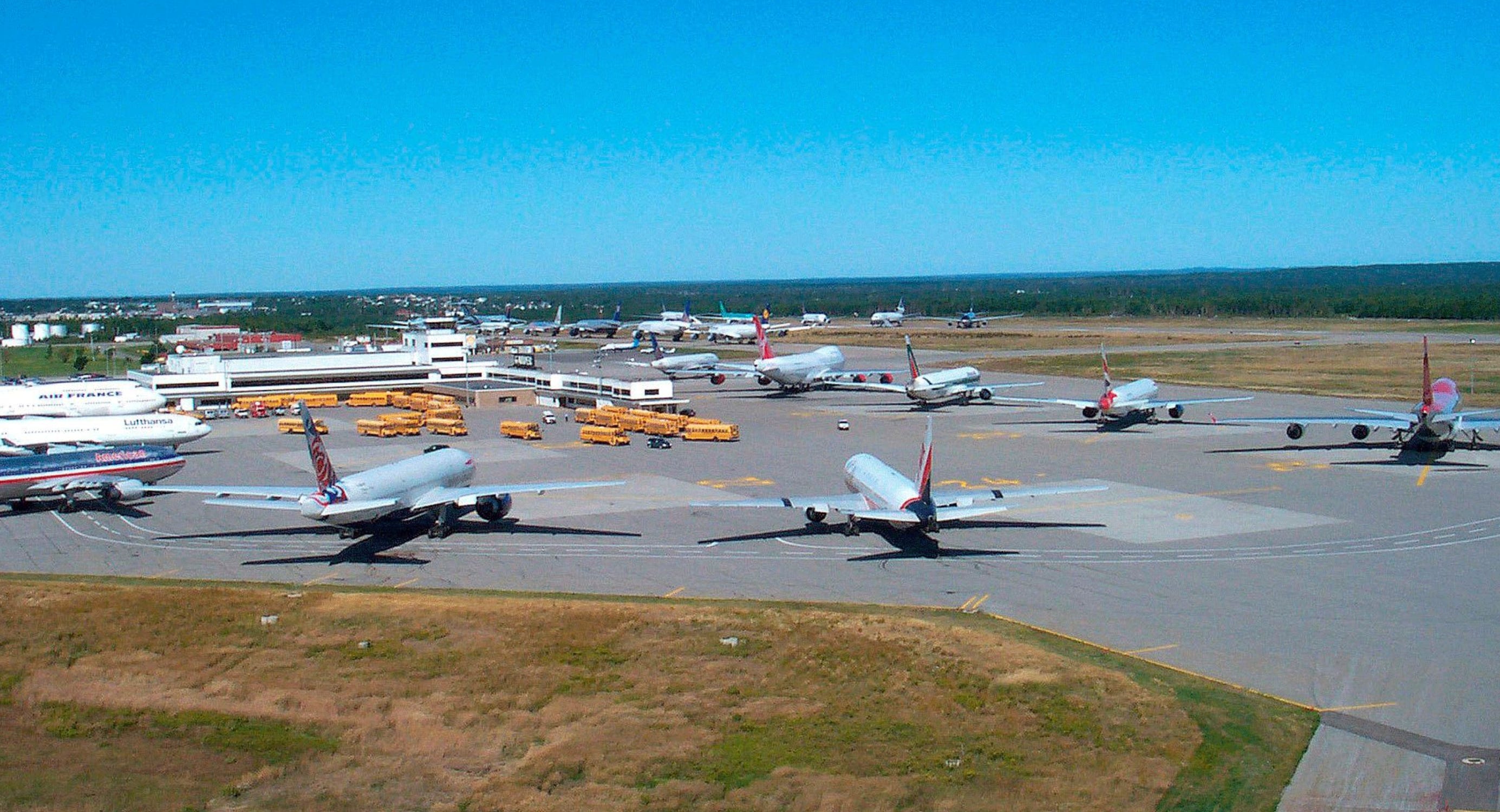
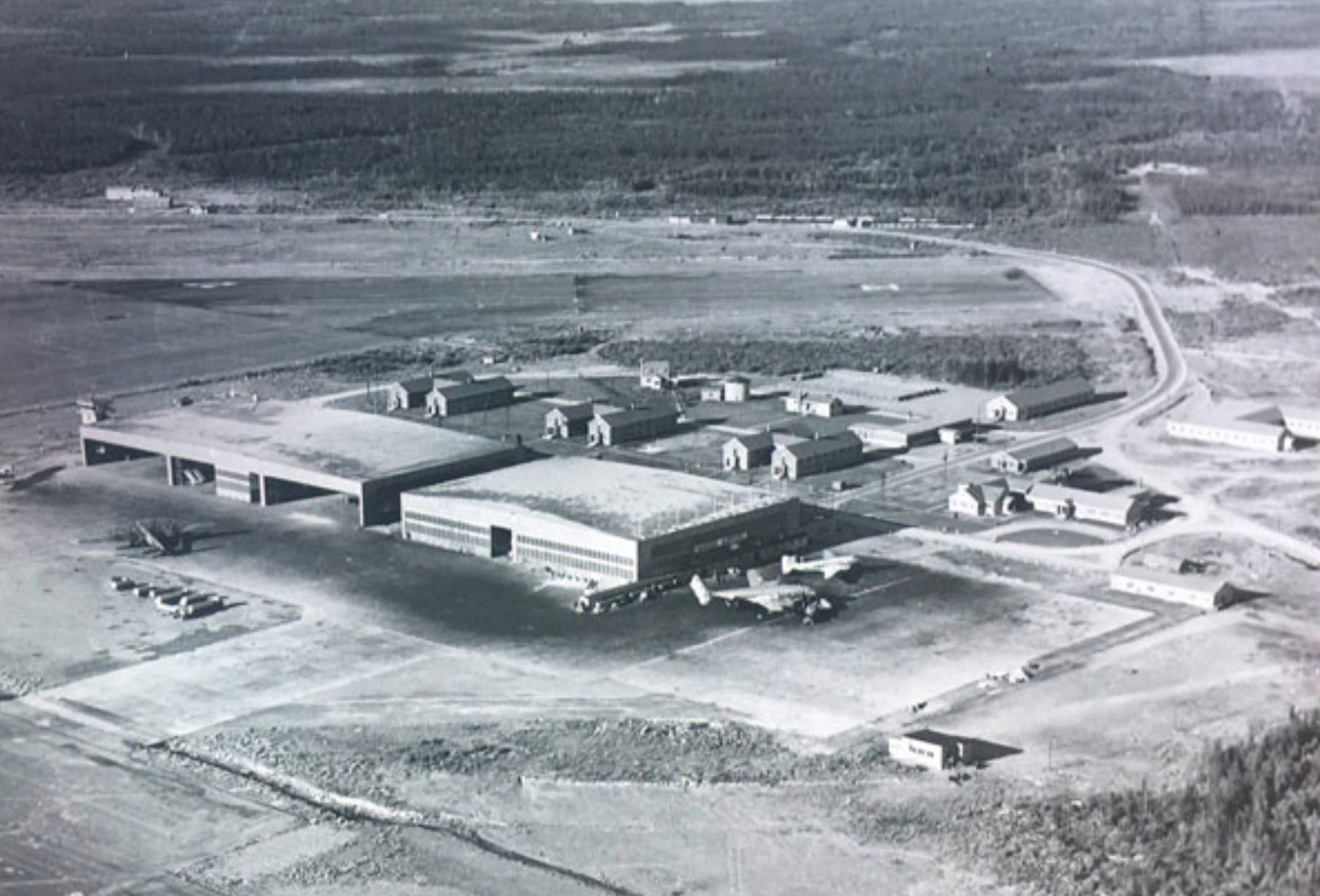
Gander came to play a critical role on 9/11 because of its equally critical role in military logistics half a century prior. The airport that served as a safe haven for so many that day was originally used as the aerial launching point from North America to Europe, shortening the distance to the next refueling stop in Iceland just 1,600 miles away. This “Atlantic Bridge” served as an essential link in Allied logistics.
One can’t help but marvel at how politicians have driven an artificial wedge between Canada and the US, brimming as both countries are with decent, caring, and giving people. The two nations share a culture rooted in pioneering independence and are blessed with a seemingly endless natural bounty that underlies their respective wealth, making the synergies of collaboration far more lucrative than the spoils of competition. Despite these inherent ties, global energy buyers increasingly view Canada as a source of diversification away from excessive reliance on its southern neighbor. Indeed, the ocean zone just beyond Newfoundland is holding an attractive energy bounty, rich with a fuel that Europe finds itself in desperately short supply of:
“There’s an estimated $400 billion worth of natural gas in an ocean basin off Newfoundland, and one analyst believes that assessment could position the province as a major player in the natural gas sector. On Monday, June 1, the Newfoundland and Labrador government released the second phase of a resource assessment for the Jeanne d’Arc Basin, a shallow-water area 350 kilometres east of St. John’s.
The first study of the basin assessed resources available within existing discovery and production licences. It estimated the areas contained somewhere between 8.1 to 11.3 trillion cubic feet [tcf] of recoverable natural gas. The second phase identified an additional 10.2 to 25.5 trillion cubic feet in adjacent and unlicensed areas. Combining the results and the range of estimates, the studies have determined that the best estimate is likely 27.6 trillion cubic feet of recoverable natural gas.”
While proximity to Europe would advantage the shipping of liquefied natural gas (LNG) from offshore Newfoundland, such logistical considerations are hardly determinative. Whether these resources ultimately get developed is instead a complex mix of political, regulatory, and economic considerations, the inspection of which lays bare both the opportunities and challenges that lie ahead as Canadian Prime Minister Mark Carney works to unstick his country’s energy. Will he get it done?