
Passing Gas
As the European Union careens towards a bust up, Brussels goes for broke.

“Yachts are the closest a commoner can get to sovereignty.” – Charles Simonyi
Loss of sovereignty was an exceptionally sensitive topic during the decades-long process that led to the behemoth we know today as the European Union (EU). The promise of veto power was used to beat back opposition to the concept of the EU itself, sold as the ultimate backstop to protect the vital interests of the countries that agreed to join. It is no exaggeration to say that there would be no EU without this ostensibly inviolable commitment.
Like any good bait and switch, the bait has proved evanescent and the switch too slow to be obvious: The EU bureaucracy has been grinding away at weakening the veto over time. Not every decision should require agreement by all the members, after all, and expediency necessitates that certain minor ones—and even the technical-level implementation of a few major ones—be handled by expert central planners. By steadily expanding the definition of “minor” and widening the latitude afforded to the implementors, member-state veto power entered 2026 already unrecognizable from what had been assured.
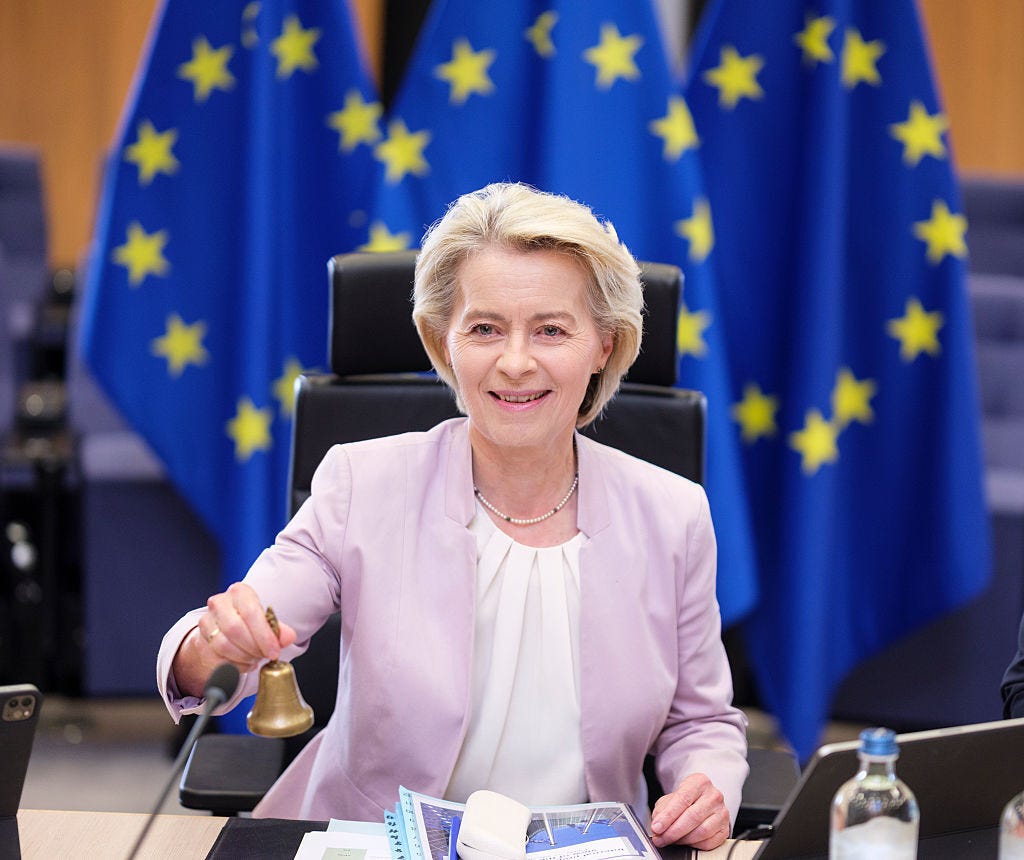
A protracted battle over the EU’s latest iteration of Russian sanctions may well mark sovereignty’s last stand. The need to water down the 21st act of the sanctions circus and the dim prospects for a 22nd expose brittle tensions between national capitals and Brussels. Back when former Hungarian Prime Minister Viktor Orbán could be wholly blamed for EU disunity, significant compromise could be struck under the covering fire of his alleged obstinance on Russia. Now, with his much-longed-for electoral defeat achieved, the true nature of the damage to national interests being contemplated can no longer be hidden from view. Here’s how the Financial Times frames it:
“Brussels is considering a new approach to Russia sanctions after Greece held up a large package of EU measures to protect a shipping tycoon. European officials are looking at ways to speed up approval of more targeted financial restrictions so that member states have less opportunity to use vetoes in negotiations...
Three officials said there was now work under way on how to curb the tactic, which has become increasingly prevalent in recent EU sanctions negotiations as capitals seek to protect companies still doing business with Russia.
One idea gaining traction inside the European Commission and among the most pro-Ukraine member states is to agree and implement sanctions individually or in small thematic batches rather than aiming for large packages for public relations purposes. The officials said this would lower the risk of measures being held up due to national vetoes.”

Surely, the saintly interests of Brussels should not be held hostage by a shipping tycoon—and a Greek one at that! Right? That’s almost as bad as letting a member of a “shadow fleet” sail unmolested through international waters.
Were things that simple, there would certainly be no need for us to explore what’s really going on, what it likely means for the upcoming winter gas crunch facing the EU, and our recent call that the final days of the bloc itself are far closer than most are modeling. Alas, Europe is nothing if not complex.