
Something Stinks
A balanced analysis of the ongoing disruptions in the sulfur market.

“The crisis of today is the joke of tomorrow.” – H.G. Wells
For much of the modern age, elemental sulfur has been an industrial nuisance. Produced as an unwanted byproduct on an enormous scale, sulfur certainly finds outlets in the economy—even a few critical ones—but those outlets came into prominence because there’s so much of the yellow stuff, not the other way around. When mountains of material need to find a home, homes are urgently developed, lest piles of pennies hold up production of desirable dollars.
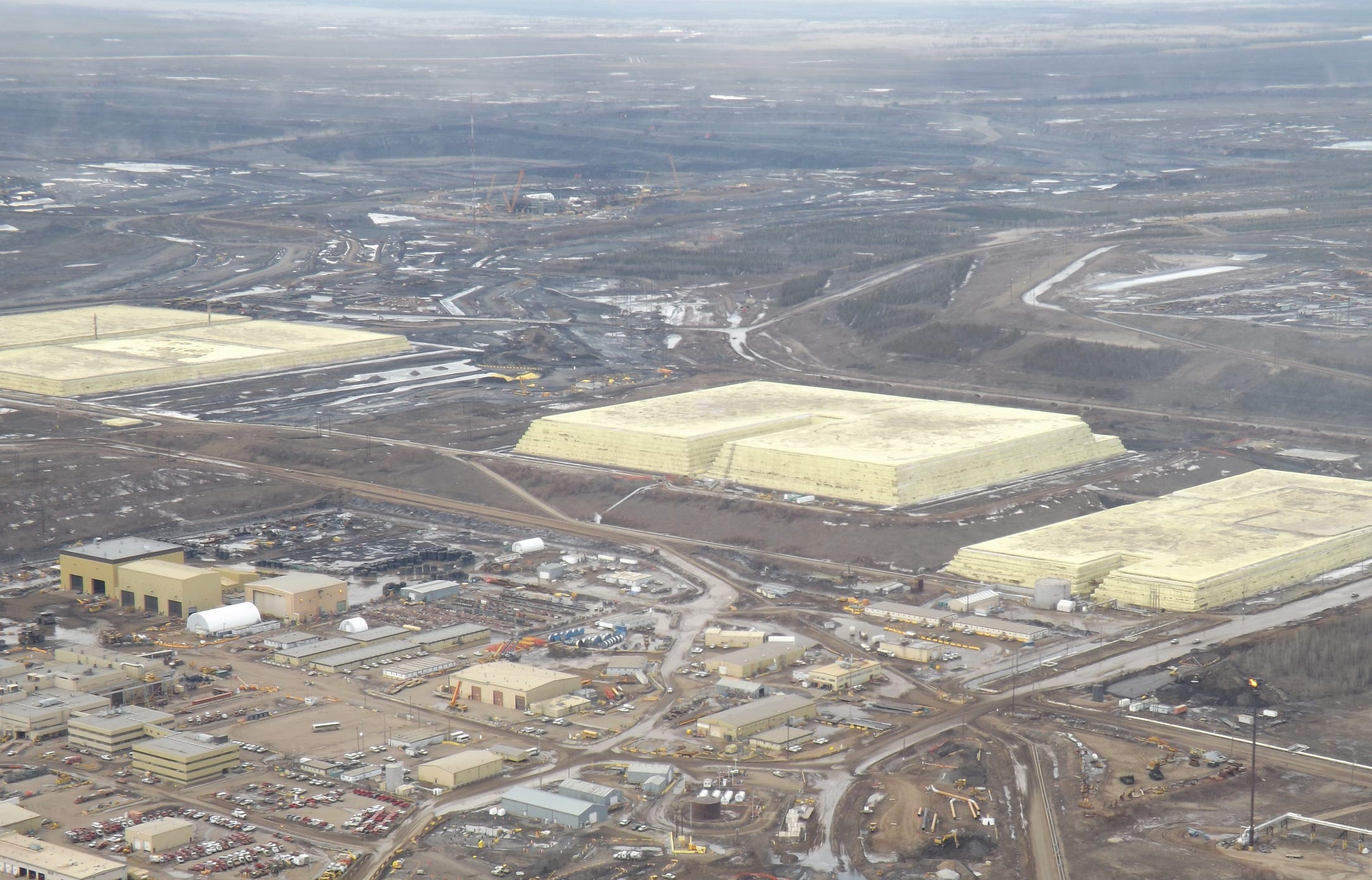
Although sulfur can be mined directly, two of the most important industrial processes at the front end of the economy typically generate more than enough supply for global needs. Sulfur atoms primarily enter supply chains as passengers in sour hydrocarbons and sulfide ores, whose processing into useful fuels and metals involves sulfur removal.
As environmental restrictions on sulfur emissions have tightened, the supply of purified elemental material has necessarily grown. For example, with more stringent pollution controls on bunker fuels, less of the sulfur entering a modern oil refinery finds its way into the atmosphere via engine combustion, limiting what had been a major release valve and increasing supply. While some ships have installed scrubbers onboard so they can continue burning cheap, dirty fuel, it has fallen on refineries to do most of the purifying. It is a similar story with diesel, whose ultra-low-sulfur variants command a market premium.
All that sulfur has to go somewhere, and it normally does so on the cheap. As recently as 2024, the average price of sulfur in the US was under $50 per ton, or a little more than a couple of cents per pound.
The dominant use case for sulfur is to make sulfuric acid, which itself is an input into several downstream applications, especially phosphate-based fertilizers. In the case of elemental sulfur piling up at oil and gas refineries, the material is routed to sulfuric acid plants, where it is burned in air and further oxidized over a catalyst before being converted into the desired product. At sulfide ore smelters, like those that make much of the world’s purified copper and nickel, sulfuric acid is often produced in situ from furnace off‑gas, as part of an integrated work process.
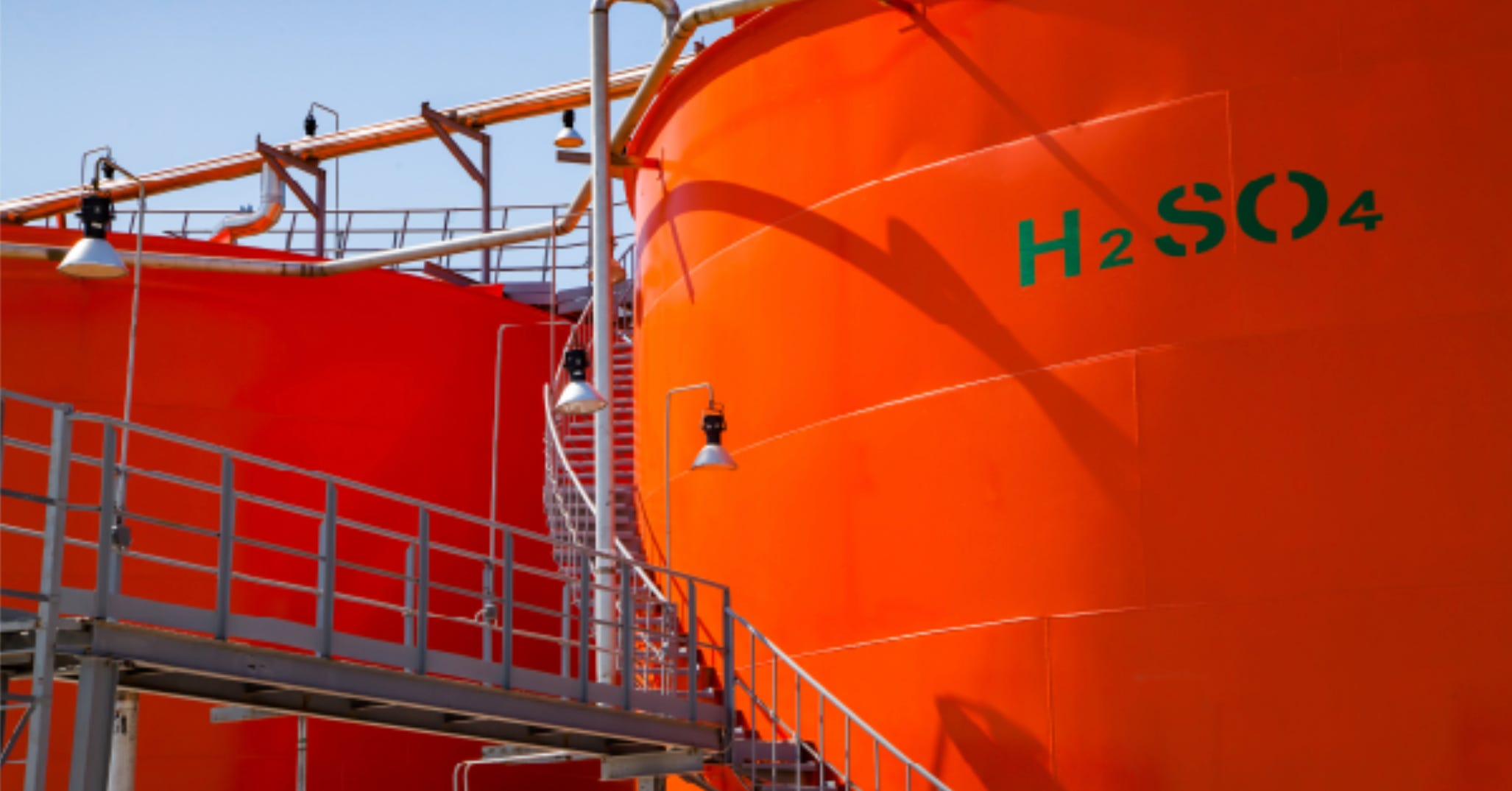
Like countless other supply chains, the sulfur industry has been disrupted by the war in Iran, as Middle Eastern refineries are heavily involved in the trade. The situation has been compounded by an unexpected and highly protectionist move by China, as well as Ukraine’s relentless attacks on Russia’s refinery network. These developments are significant, and the Twitterverse is awash in chatbot-generated catastrophizing, with predictions that global food and metal production are imperiled, and famine and factory closings are sure to follow.
Is this panic justified? Has a smelly byproduct that could hardly be given away suddenly become irreplaceable? As is often the case, reality is more nuanced than many would have you believe. Let’s ground ourselves with some data and separate hyperbole from genuine concern.
