
War Rations
Is China secretly preparing for a major kinetic conflict?

“Before all else, be armed.” – Niccolo Machiavelli
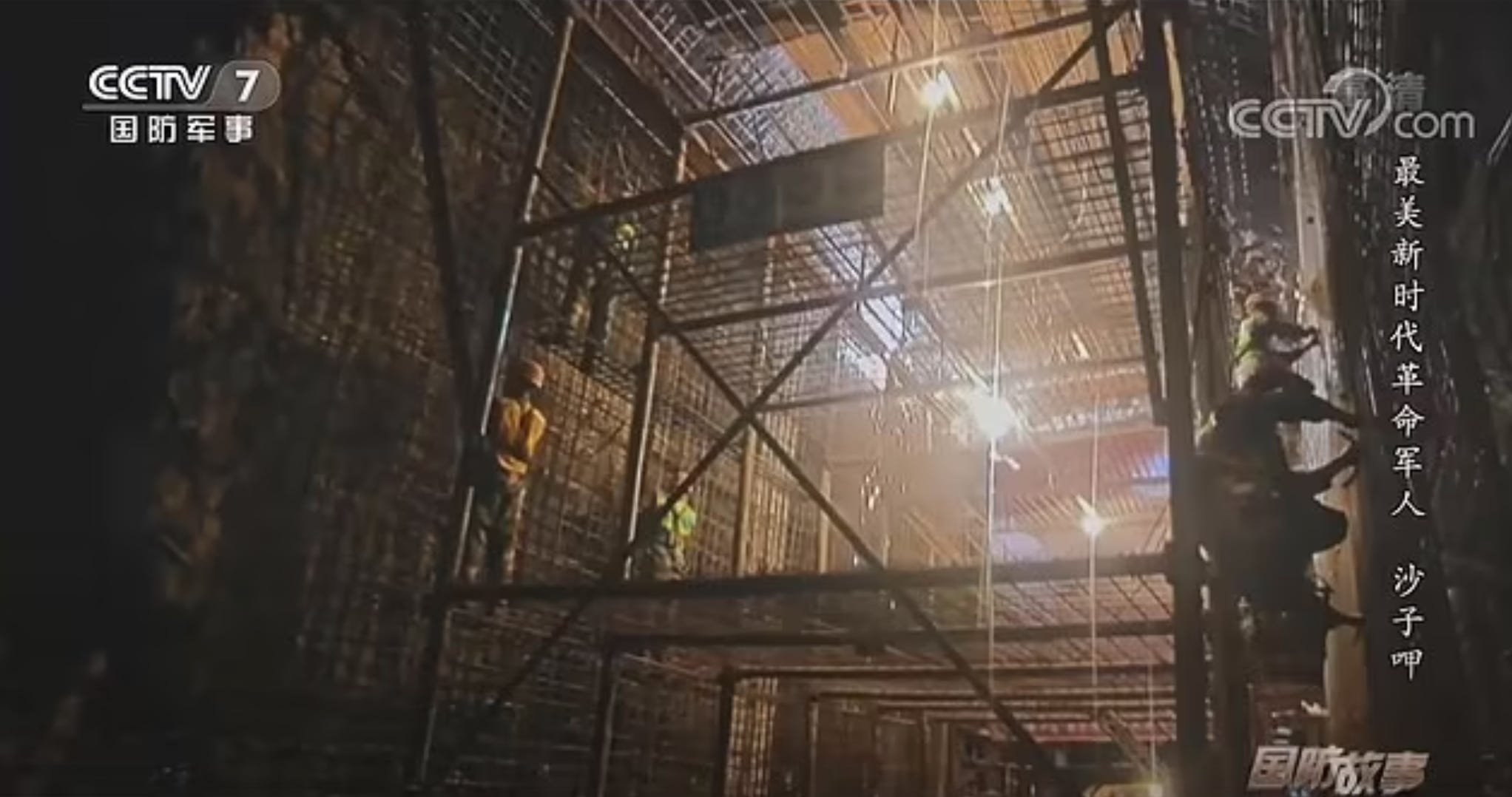
Scattered across China and buried deep underground is a series of interconnected tunnels designed to harden its military against conventional and nuclear strikes. Estimated to span more than 3,000 miles, China’s tunnel system is by far the world’s largest, significantly more comprehensive than similar sites in the US. The so-called “Underground Great Wall” even includes its own rail system and factory complexes, part of a full-blown logistics network.
China’s stated purpose for this massive and ongoing investment in subterranean infrastructure is to ensure a credible second-strike nuclear capability. But the sheer scale involved has led some Western analysts to speculate that the country is underreporting the size of its nuclear arsenal. A controversial study out of Georgetown University in 2011 mapped what was known about the tunnel system. The researchers estimated that China may have as many as 3,000 nuclear warheads, an order of magnitude larger than most arms-control experts estimated. One can imagine how this system and its inventory have developed in the intervening years.
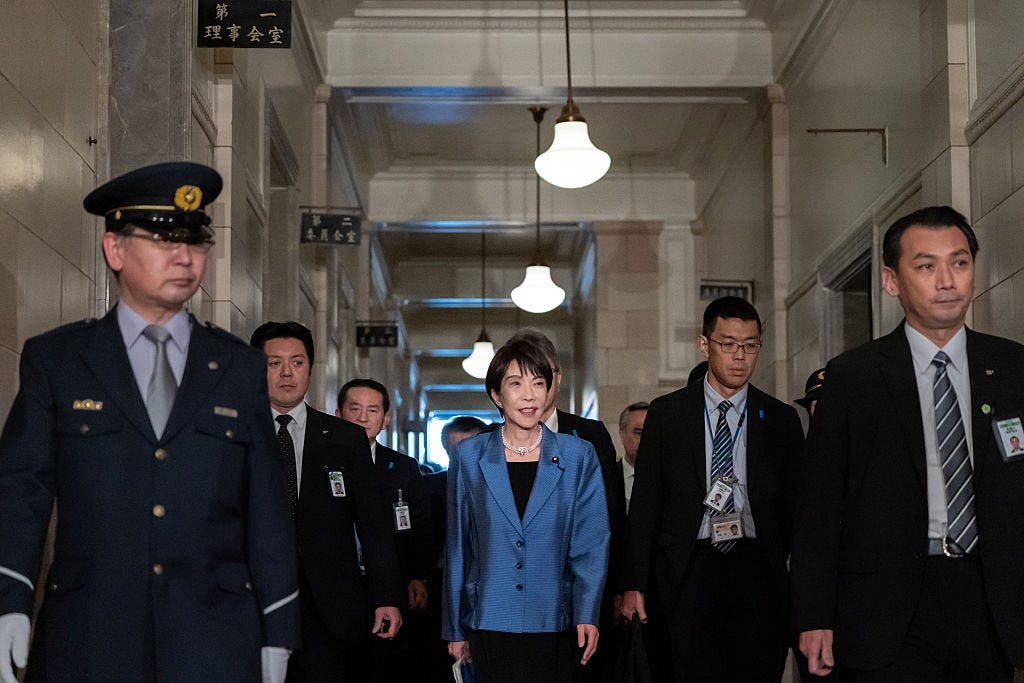
Understanding Chinese military intent is especially important in light of the recent and severe breakdown in its relationship with Japan, a crisis that some believe constitutes one of the most dangerous moments between the two countries since World War II. Amid ongoing land disputes and talk of a major Japanese rearmament, Japan’s new Prime Minister, Sanae Takaichi, poured fuel on the fire in recent remarks about defending Taiwan. The response from China was severe:
“Chinese travelers have canceled more than half a million plane tickets to Japan since Saturday. Chinese students there have been told to be careful. Two Japanese films have been pulled from the Chinese box office. Ships are patrolling in disputed waters. State-affiliated academics are warning that the entire country of Japan could be turned into a ‘battlefield.’ And now, China has suspended imports of Japanese seafood.
Beijing is using harsh rhetoric, military saber-rattling and economic coercion to make clear its displeasure with Japan’s new prime minister, Sanae Takaichi, a China hawk who suggested this month that Japan could intervene militarily if Beijing makes good on its threat to invade Taiwan, a self-governing island that the Chinese Communist Party claims as its territory.”
The row adds to the already precarious tension in the region, as it comes amid an economic war between the US and China, talk of the US military refocusing from Europe to the Asia–Pacific theater, and ongoing coast guard excursions by the Chinese navy.
Over the past several years, China has employed a series of unusual economic moves that, on their face and in isolation, might seem like innocuous insurance policies against potential geopolitical aggression—especially from the US and its allies. This has been particularly evident in the energy and commodity markets, where the country has been overinvesting in domestic energy capacity and vastly expanding its stockpiles of critical goods.
A more alarming interpretation of these events: China is preparing to fight a war, presumably to bring Taiwan back into its fold. While we have been skeptical of China’s intent to preempt diplomacy with kinetic action, the stakes involved warrant an uncomfortably close look at what the country has been up to. Let’s give it a go.