

“The test of policy is how it ends, not how it begins.” – Henry Kissinger
It is hard to picture Ed Miliband, or John Kerry, or any other government-appointed bishop of the Church of Carbon™ putting life or limb at risk for their beliefs. Heck, they probably don’t even fly commercial. Not so for Canada’s true-blue (green?) environmental warrior, Steven Guilbeault, who famously scaled the CN Tower in Toronto in 2001 to unfurl a banner criticizing climate inaction and imploring ratification of the Kyoto Protocol. He was subsequently arrested.
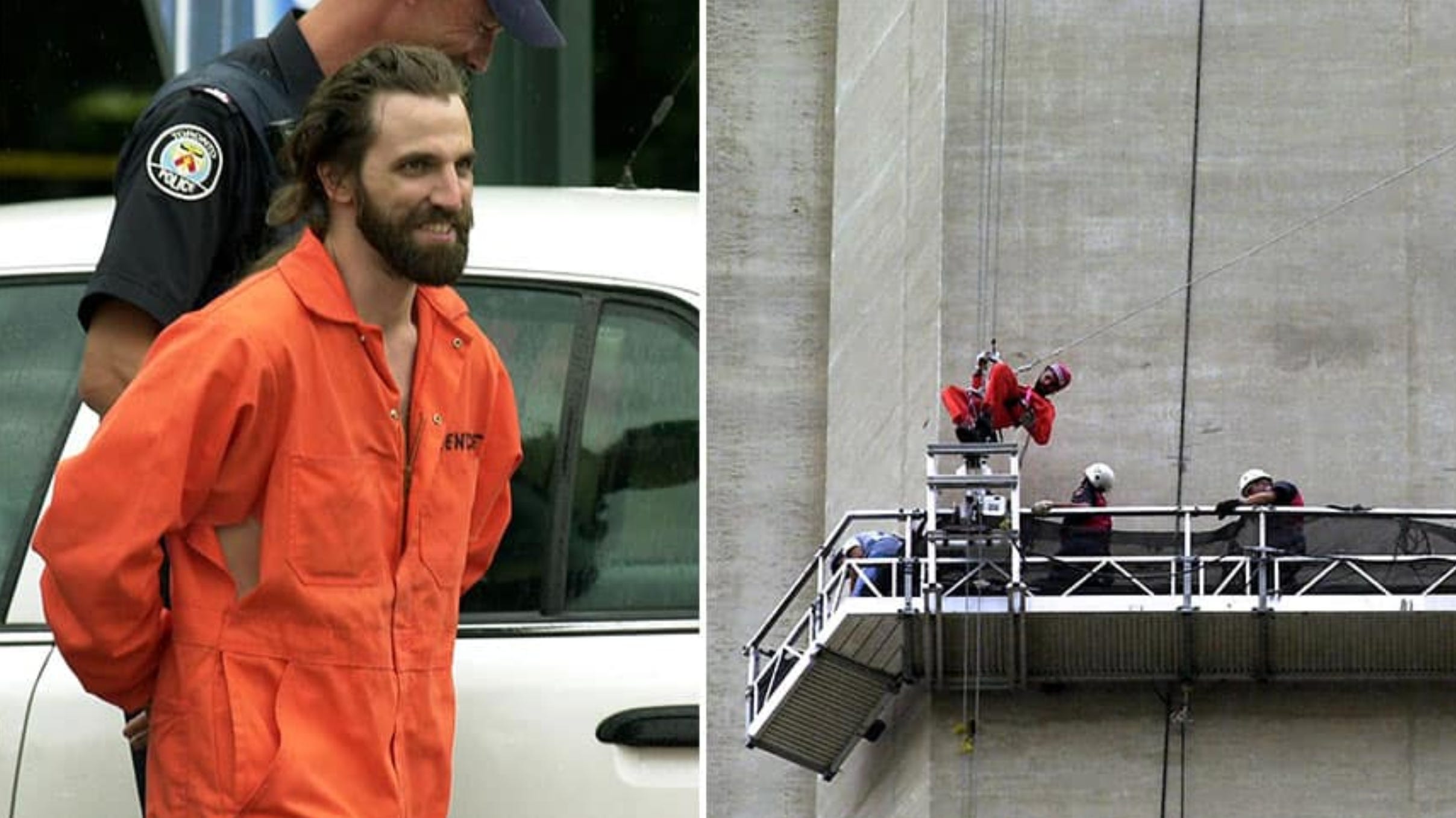
Until recently, Guilbeault was the Canadian minister of Environment and Climate Change, but as Doomberg readers are well aware, the times in Canada, they are a-changing. Guilbeault was ousted from his climate post when Prime Minister Mark Carney took the top spot from Justin Trudeau. As a consolation prize, Guilbeault was named Minister of Canadian Identity and Culture, Minister Responsible for Official Languages, Minister of Nature and Parks Canada, and Quebec Lieutenant (seriously!).
Guilbeault chose to resign these august positions and leave Carney’s cabinet altogether on the heels of this remarkable news:
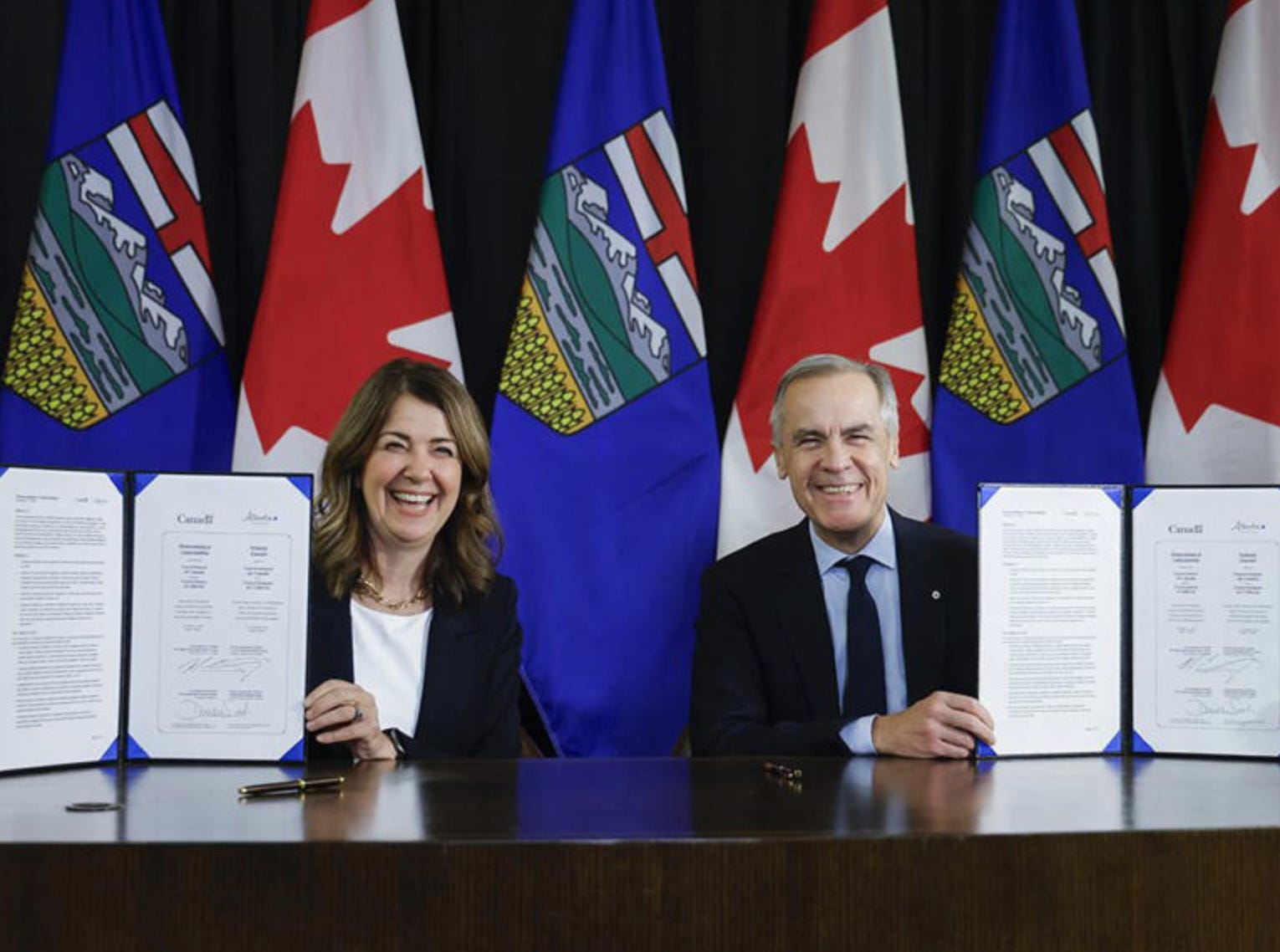
“Alberta and Ottawa have signed a sweeping new energy accord that Premier Danielle Smith says marks a ‘new starting point for nation building,’ including a pledge from Prime Minister Mark Carney’s government to shelve its oil and gas emissions cap, suspend clean power rules, and back a major indigenous-owned pipeline to get oil to Asian markets. The agreement, signed Thursday, clears the way for a privately financed, indigenous co-owned bitumen pipeline capable of moving more than one million barrels per day to a deep-water port on the Pacific coast.
Ottawa formally declared the project to be in the national interest, while also signalling it will adjust the tanker ban to allow Alberta’s oil to reach Asia. The line would come on top of the Trans Mountain expansion’s additional 300,000 to 400,000 barrels per day.”
A year ago this week, we predicted much of what has since transpired in Canadian energy politics when we published “Alberta Clipper,” a mental model we developed further in April with “The Fix Is In.” Among our expectations at the time, only a resolution to the US–Canada trade negotiations remains unrealized, although with the Alberta deal out of the way, we would not be surprised if an agreement were reached by year-end.
Given Western Canada’s paramount importance to global oil and gas flows, understanding where the region’s political puck is going opens insight into whether and when millions of incremental barrels of oil and billions of cubic feet of natural gas are likely to hit the international markets. With the Smith-Carney memorandum of understanding (MOU) signed, let’s make a few more long-shot predictions that might surprise many in Canada.