
Contrarian Indicators
Our long-shot prediction of Britain’s next prime minister and the future of North Sea oil.

“Almost everyone’s instinct is to be overconfident and read way too much into a hot or cold streak.” – Nate Silver
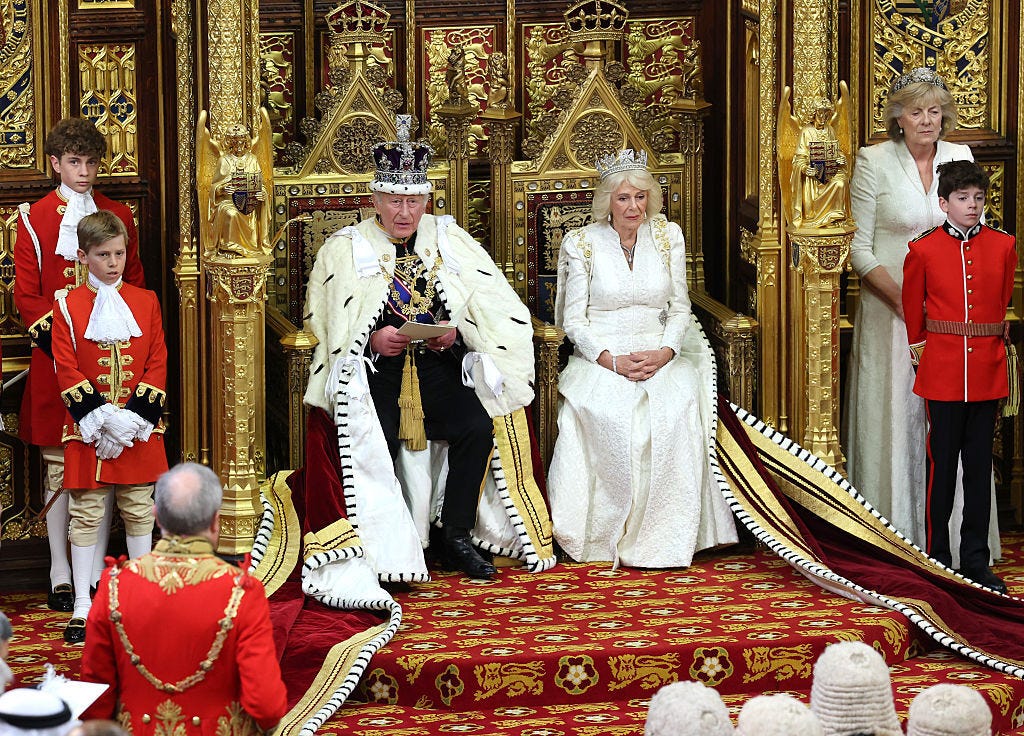
If pomp and pageantry were proxies for geopolitical heft, Great Britain would still be a global superpower. Few affairs eclipse the spectacle of the King’s Speech at the State Opening of Parliament, a tradition that dates back to at least the 16th century. On May 13, King Charles III presided over the latest.
The purpose of the King’s Speech is to lay out the government’s main policy agenda for the coming period by presenting a detailed list of the bills likely to be debated before Parliament. Among oil and gas investors, this portion of the King’s prepared remarks raised a few eyebrows:
“My Ministers believe that energy independence must be a long-term goal of national security and that the nation’s energy security requires long-term investment and reform, as demonstrated by recent events in the Middle East. Increased production of clean British energy will help to ensure that enemies of the United Kingdom cannot attack the economic security of the British people. My Ministers will therefore introduce an Energy Independence Bill to scale-up homegrown renewable energy and protect living standards for the long-term.”
Briefing documents released with the speech’s transcript make clear that new licenses to explore the North Sea would be made illegal and fracking would be permanently banned. In essence, the proposed Energy Independence Bill would gut any remaining enthusiasm on the part of the hydrocarbon industry to continue doing business in Britain, especially in light of the suffocating excess profits tax that remains in place. The company formerly known as British Petroleum foreshadowed the dour mood just two weeks before the State Opening:
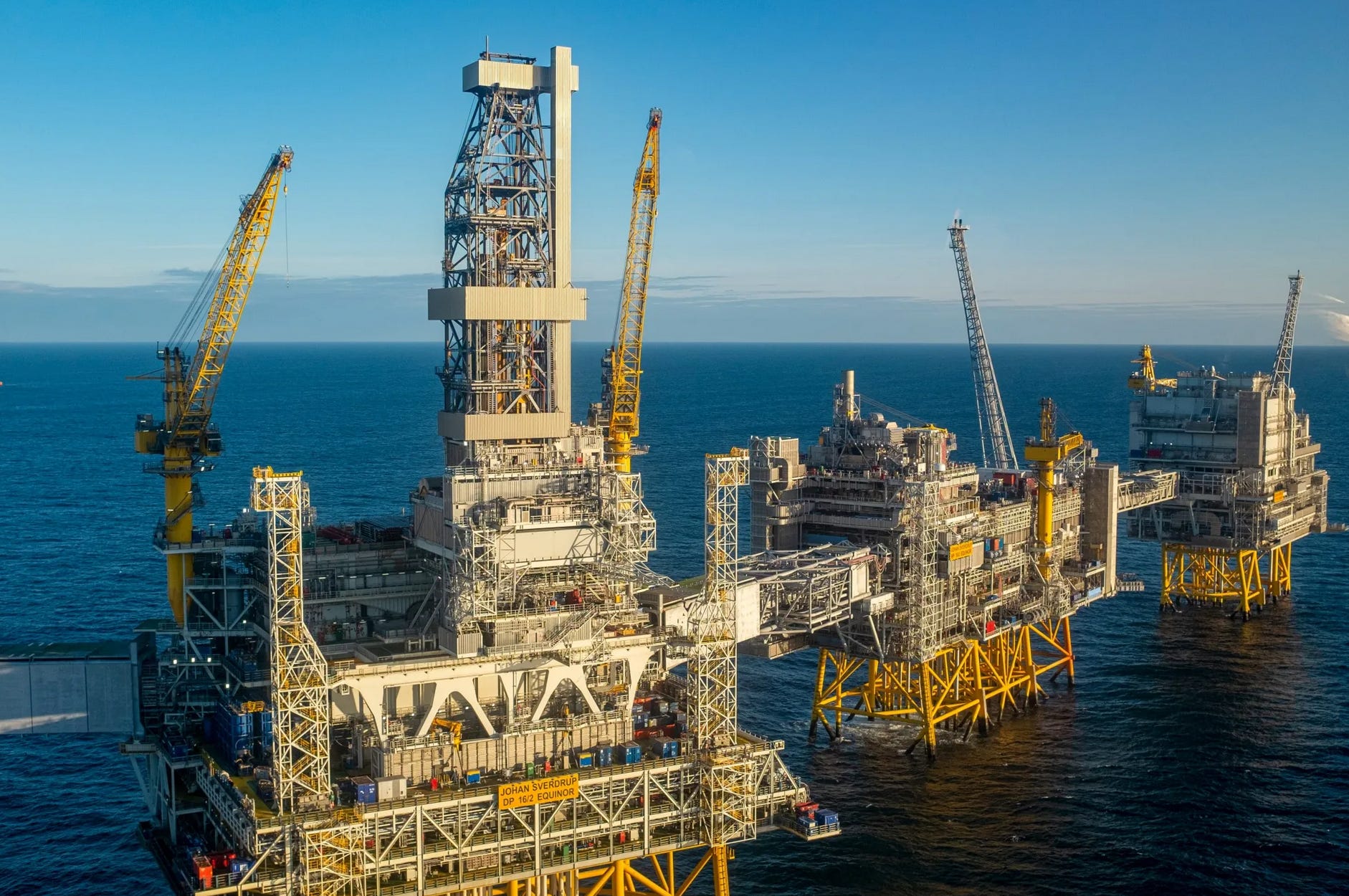
“BP Plc is considering potentially exiting part or all of its operations in the UK North Sea, people familiar with the matter said, as the oil giant works to strip assets and pay down debt. London-listed BP is conducting an internal review of its upstream operations in the UK, which could fetch about £2 billion ($2.7 billion) in a full divestment, according to the people…
The company is among the last remaining oil majors operating in the UK North Sea, with peers such as Chevron Corp. and ConocoPhillips having sold assets. Others like Shell Plc, Exxon Mobil Corp. and TotalEnergies SE have moved to divest or restructure parts of their positions, including through joint ventures.”
With industry on its knees and practically no glimmers of hope on the horizon, now would be a particularly risky time to predict an imminent reversal in the energy politics in Great Britain. Despite how incredibly unlikely it might seem today, one of our most successful mental models is flashing a high probability of just such a development. Events are moving at such a pace that publishing admittedly speculative musings at this stage of their refinement warrants the risk. Let’s unwrap who we think will be the next British prime minister, and why we expect this most unlikely of heroes to revive oil and gas production in the North Sea.