

“Now equilibrium is the very opposite of disorder.” – Rudolf Arnheim
In July of 2016, the South Korean government of Park Geun-hye formally agreed to host America’s Terminal High Altitude Area Defense system (THAAD), the most powerful and reliable missile-interceptor technology in the US repertoire. The decision was not without controversy, both domestically and with China, South Korea’s largest trading partner. The Chinese argued that THAAD’s X-band radar could surveil deep into their territory and warned its installation would destroy relations between China and South Korea.
Despite these fervent objections, the Seongju THAAD battery was installed in 2017, with six launchers at that single site. After a period of economic reprisals, the South Korean government agreed to something of a détente with the Chinese, and no additional THAAD batteries have been installed since.
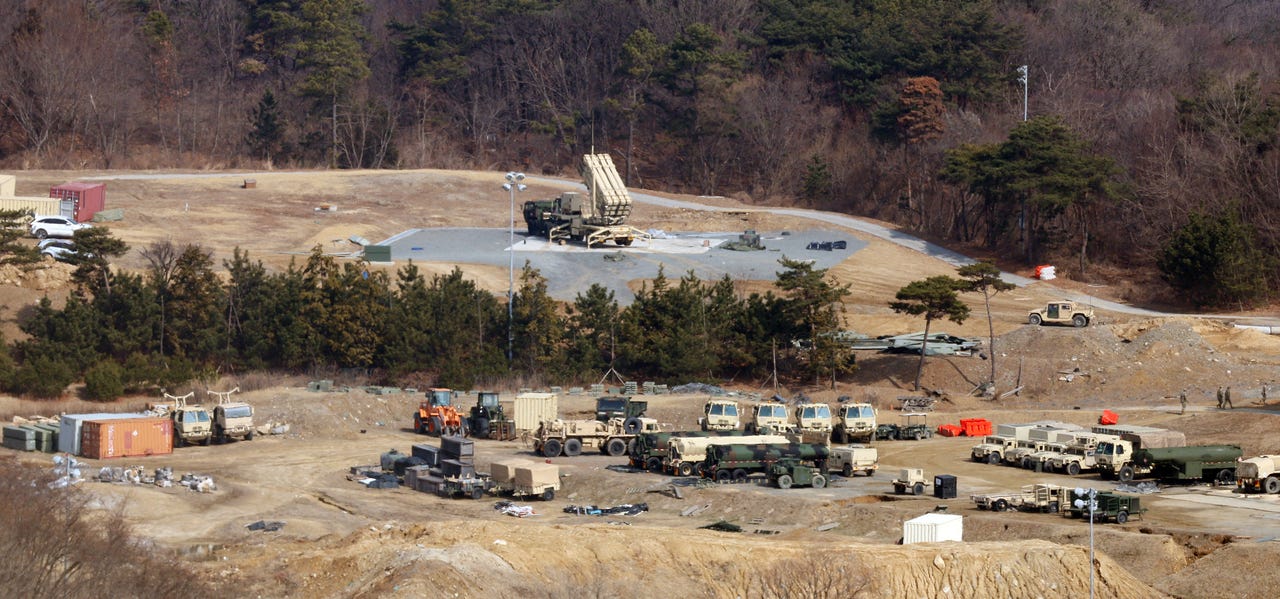
Although the fog of war is blinding, open-source intelligence and, eventually, reporting in legacy media outlets confirmed that Iran made targeting THAAD installations across the Middle East a priority mission in the early stages of the current conflict. Judging by what has been allowed to appear in print, it seems to have shocked US military planners with its success:
“New satellite images from several key military bases in the Arabian Peninsula suggest that Iran is seeking to degrade air defenses by destroying US-made radars that detect incoming missiles and drones. The radar system for an American THAAD missile battery in Jordan was struck and apparently destroyed in the first days of the US-Israeli strikes on Iran, a satellite image taken on Monday shows. Buildings housing similar radar systems were also hit at two locations in the United Arab Emirates, CNN analysis shows, although it is unclear if the equipment was damaged.”
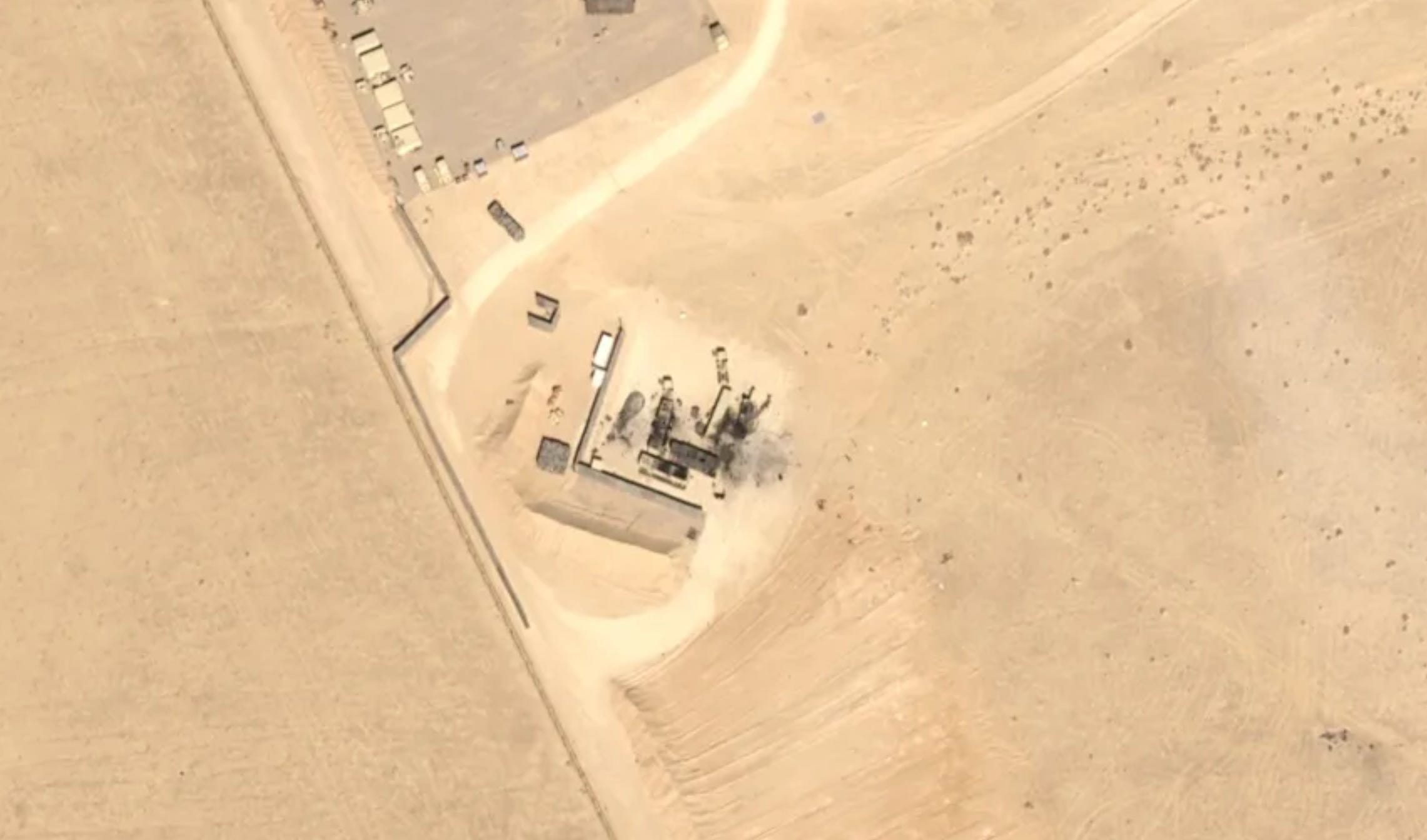
Further evidence for the effectiveness of Iran’s THAAD strikes emerged with news that the US was removing at least parts of the Seongju installation and rushing them to the Middle East theater:
“A Washington Post report on Tuesday [March 10] citing two unnamed US government officials said that the United States had been moving parts of its Terminal High Altitude Area Defence (THAAD) anti-missile system stationed in South Korea to the Middle East, where the US is fighting a war against Iran.
According to South Korean media reports, the US has also begun sending Patriot missile defence systems to Saudi Arabia and the United Arab Emirates. Seoul has indirectly confirmed the moves.”
To most analysts, these events are but a notable detail in a much larger conflict. They might indicate Iran was more prepared to fight a protracted war than US military planners realized, or that the much-publicized US missile-interceptor shortage is as bad as feared. To our eyes, however, this news flow painted a confirmatory pattern for one of our most out-of-nowhere calls of 2025—namely that the physics of Korean reunification make it all but inevitable on a timeframe few are anticipating.
If we are right, such an event would provide critically important clues for the new geopolitical order that will emerge from the war with Iran. Let’s head to the Korean Peninsula and revisit this important question.